

Most of us probably don’t think much about the road beneath our tires until we hit a pothole, drive over a rough patch of pavement, or encounter a street in need of repair. But maintaining our roads is one of the most important services a city provides, and doing that work proactively can make a significant difference over time.
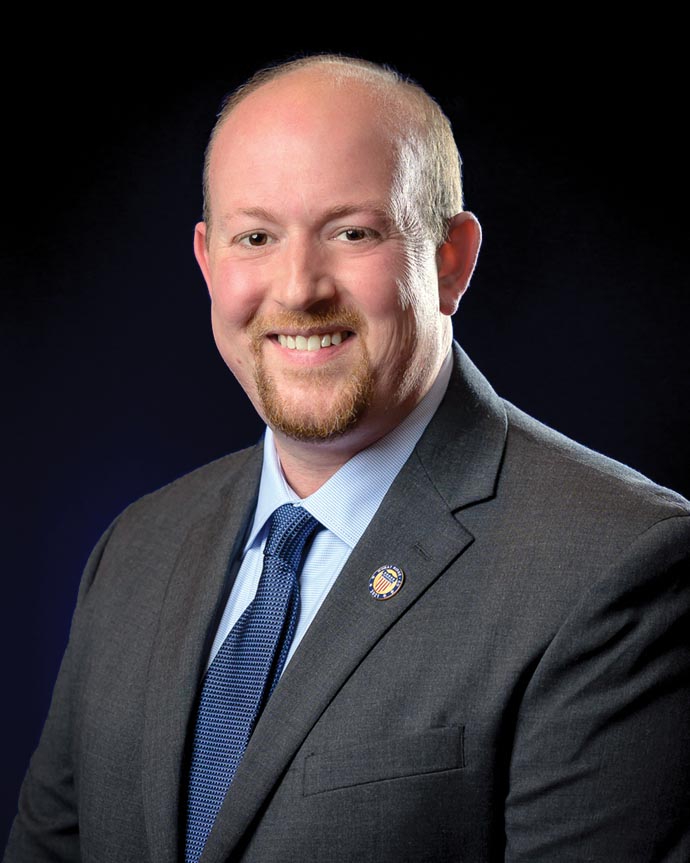
I spend a lot of time on Wheat Ridge’s roads. I drive them to drop my kids off at school (I still can’t believe I have a middle schooler this year!), I drive to my martial arts studio, and to council chambers every Monday night. It may sound silly but these streets are important to me and I think about them… a lot!
Wheat Ridge is responsible for maintaining 133 miles of streets. The city regularly evaluates pavement using the Pavement Condition Index, or PCI, which rates streets on a scale from 0 to 100 based on conditions such as cracking, potholes, and other deterioration.
That information helps our Public Works team determine what kind of maintenance a street needs and, importantly, when it needs it.
Proactive maintenance means addressing our roads before they deteriorate to the point that they require more extensive and more expensive work (anyone remember the Wadsworth Blvd. Improvement Project?). Sometimes proactive street maintenance means sealing cracks or patching pavement. Other times, it means preventative treatments or resurfacing. Once a street deteriorates significantly, more substantial reconstruction may be necessary.
The goal is to make the right repair on the right road at the right time.
Maintaining Wheat Ridge’s streets at a target PCI of 65 has been estimated to cost approximately $3 million annually. That’s why long-term planning and preventative maintenance are so important. We want to make the most of every dollar available for our infrastructure while keeping the roads our community relies on in good condition.
Taking care of our streets also means looking beyond the pavement itself. Our roads are part of a larger transportation network that needs to work for everyone, whether they are driving, walking, biking, or using another way to get around.
That is the idea behind a “complete street.” Depending on the location and the needs of the area, improvements may include sidewalks, curbs and gutters, accessible ramps, bicycle and pedestrian connections, and, of course, the roadway itself. It does not mean every street looks the same. It means considering how people of all ages and abilities use that street and how we can help them get where they need to go safely.
This November, Wheat Ridge voters will decide whether to approve a one-cent sales and use tax increase to provide dedicated funding for several community investments. The ballot language specifically identifies proactive street and infrastructure maintenance and bicycle and pedestrian safety improvements, along with preservation of community spaces, replacement of Anderson Park Outdoor Pool, and modern police and city services facilities.
Ultimately, that decision belongs to you, the voters.
My responsibility as mayor is to make sure our community understands the needs we’re facing, how we’re planning for the future, and what the proposal on the November ballot would fund.
These are the roads we all use every day. Taking care of them proactively means taking care of the community we call home.