

Welcome to fall, my nature-loving friends. Ken Hall, aka “Bird Nut,” here. This month, I’m going to explain a phenomenon that occurs in many species of birds in late summer and fall. It’s the annual or semiannual rotation of feathers, known as molting. Think of it as nature’s process of allowing birds to put on a clean pair of jeans and change their underwear.
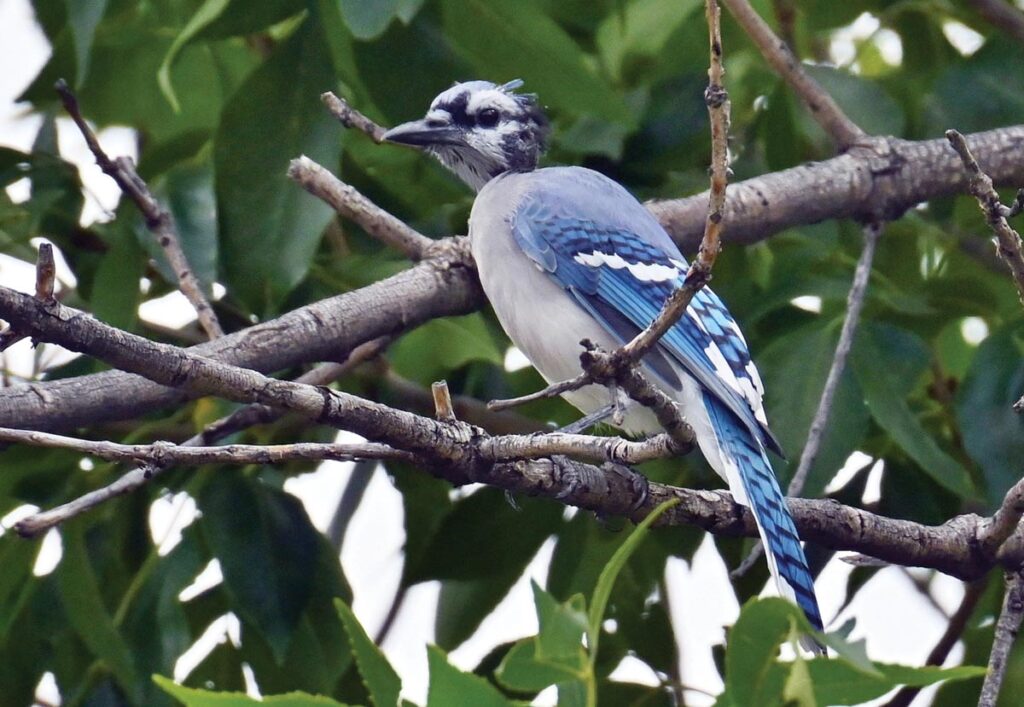
All birds molt in some form, but some far more extensively than others. Some birds will only partially molt, such as a blue jay. They lose and regrow neck and head feathers and look quite comical while doing so.
Other birds go into a full molt, meaning their entire body will drop old, weathered summer feathers and replace them with fresh, better-insulated winter feathers. This process takes much longer. The most common birds that go through a full molt are ducks and geese. As they lose their wing feathers, they lose the ability to fly. This is a very vulnerable time. That is why I frequently mention keeping your dogs on a leash. The birds have no escape.
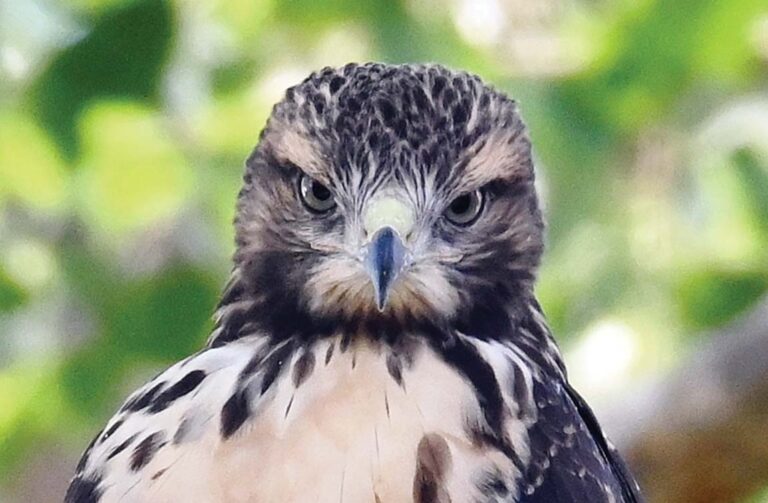
Hawks will lose their old wing feathers in symmetrical pairs, meaning the same feather location on the right and left wings will fall out and begin to regrow. This allows them to maintain their ability to fly.
Goldfinches are most amazing. Over a longer period of time, they will lose all their worn-out, brightly colored feathers and grow back a dull, olive-yellow suit of feathers. This also gives them better camouflage over the winter months.
Migratory birds will molt earlier than resident birds. A new coat of feathers allows them to have stronger, less-exhausting flight over long distances.
Regardless of what bird species they are, they all molt in some way. Feathers are made up of about 90% protein, primarily keratin. So every molting bird needs extra protein to grow strong feathers for flight and insulation.
This is where we can all help. Fall and early winter are the most important times of the year to keep your bird feeders clean and full of good, high-protein bird food. You can reach out to many online ornithology sites or visit a local bird supply store for suggestions. You don’t have to break the bank to do this. I spend around $40 to $50 a month.
Even if you don’t have feeders, leave yard clutter and fallen leaves until spring. There is a treasure trove of bird food under those leaves.
So, when you’re out for a nature wander and see a bald blue jay or finch, don’t call animal rescue to report sick birds. Just enjoy the opportunity to witness another amazing happening in nature.
Hope to see you on the trail.
God bless.
You can follow me on Facebook at Bird Friends of Colorado or Birds of Colorado.