


Long before Wheat Ridge was known for its parks and neighborhoods, it was known for something else, celery.
In the 1930s, celery farming was a way of life for many Wheat Ridge families. It was hard work that required long days, strong backs, and a little luck with the weather.
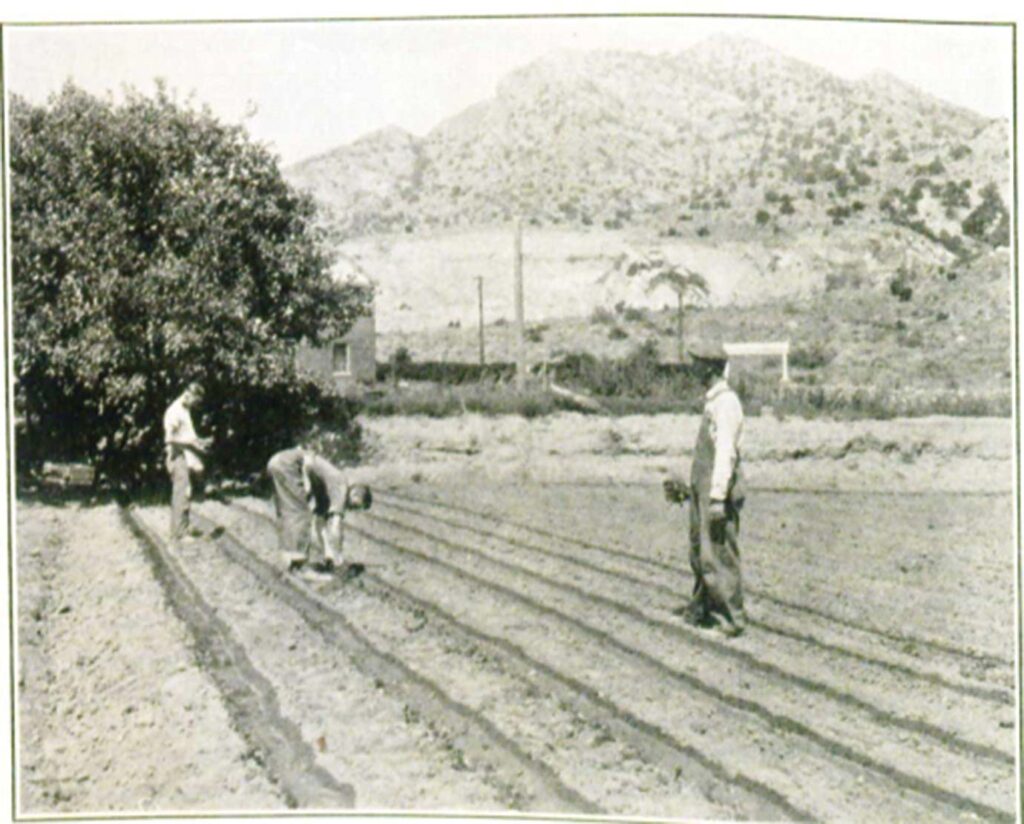
If a family was fortunate, they owned a tractor to help prepare their fields. More often, however, the work was done the old-fashioned way, using teams of horses or mules to pull plows and other equipment across the land. Once the soil was broken up, farmers carefully cut irrigation rows about three feet apart. Good soil made the work easier, while rocky ground could double the time it took to prepare a field.
By Memorial Day, young celery plants were ready to be placed by hand into the furrows. Each plant was spaced about two feet apart and would require constant attention throughout the summer. Celery is a thirsty crop, and during dry periods farmers often irrigated every one to two days using water from nearby ditches and wells.
Harvest season arrived in mid-September. Farmers dug each stalk by hand, trimmed the roots, and sold their crops at roadside stands or transported larger quantities to produce markets such as Denargo Market in Denver.
For some families, however, the work was not yet finished.
A prized tradition among Wheat Ridge celery growers was producing “white” or “bleached” celery. After harvest, celery was replanted into hand-dug trenches and covered with straw. Shielded from sunlight for several months, the stalks became pale in color, exceptionally tender, and remarkably sweet. This specialty celery was often shared with family, friends, and neighbors during the holidays, while larger growers could sell it at Denver’s markets for as much as three times the price of traditional green celery.
Then, as winter gave way to spring, the process would begin again.
The story of Wheat Ridge’s celery farmers is one of perseverance, community, and pride. Their hard work helped feed their families and shaped the agricultural heritage that continues to influence Wheat Ridge today. The next time you visit one of our parks or drive through the community, remember that beneath our feet lies the rich soil that once made Wheat Ridge famous for celery.