


Fall in Colorado can be unpredictable. One afternoon we’re enjoying sunshine and temperatures in the 70s, and a day later we’re looking for the snow shovel. As we swap shorts for jackets and prepare our homes for winter, pet owners often wonder whether our dogs and cats need similar seasonal adjustments.
One question that comes up is whether pets need different food during colder months. For most household pets, the answer is no. A healthy dog or cat eating a complete, balanced diet generally doesn’t need to change foods simply because the temperature drops.
What may change is how many calories they need. A working dog spending hours outside in cold weather may burn considerably more energy maintaining body temperature. On the other hand, the family dog whose winter exercise consists of shorter walks followed by an evening on the couch may actually burn fewer calories. Rather than automatically increasing food for winter, monitor your pet’s weight and body condition and adjust portions with your veterinarian’s guidance.
What about their coats? Like chickens molting before growing new feathers, many dogs and cats experience seasonal changes in their hair coats. Changes in daylight can trigger shedding as animals replace one coat with another. Double-coated breeds such as Huskies, Malamutes, German Shepherds, and Golden Retrievers may have particularly impressive seasonal shedding. Regular brushing removes loose hair, prevents matting, and helps maintain a healthy coat. Despite all that shedding, shaving a double-coated dog for winter—or summer—is generally unnecessary and should be avoided.
Then there are the sweaters, jackets, and boots. Are they helpful or simply a fashion statement?
For some pets, clothing really can help. Small dogs, short-haired breeds, puppies, seniors, and thin dogs may lose body heat more quickly and benefit from a properly fitted sweater or jacket during cold walks. A healthy Husky, however, probably doesn’t need a puffy coat for a stroll around Wheat Ridge.
Boots can also be useful. They provide protection not only from cold surfaces but also from snow, ice, and deicing products that can irritate paws. If your dog refuses boots, wiping and drying the paws after walks is a good alternative.
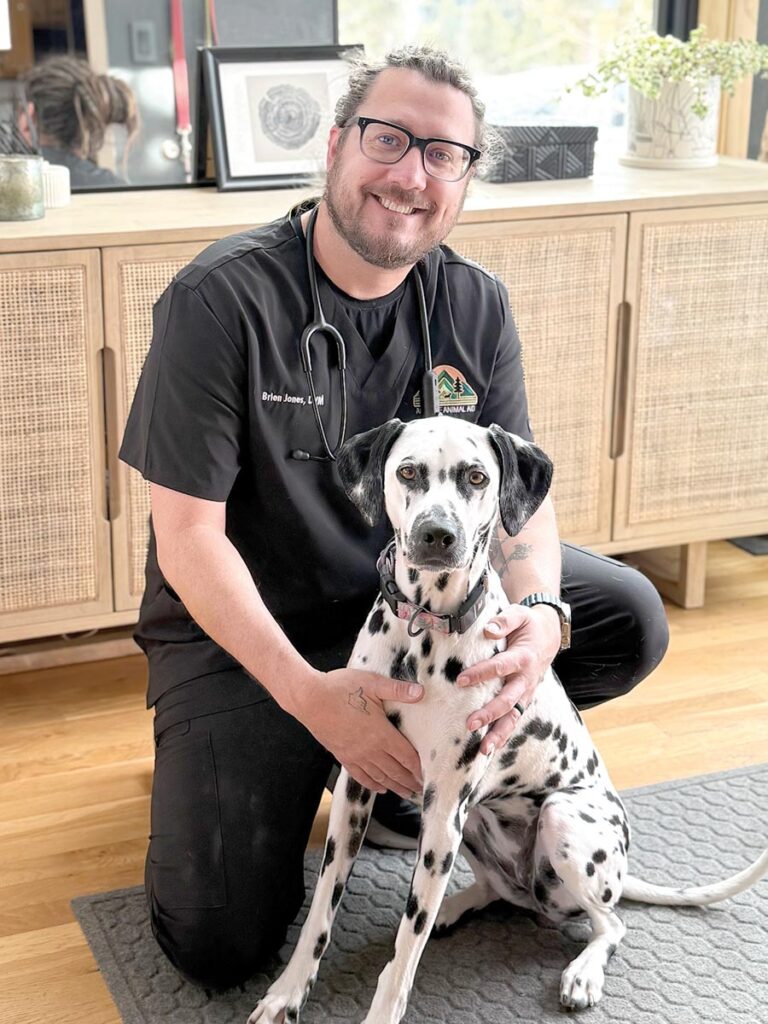
As a mobile veterinarian, I see firsthand how differently pets handle Colorado weather. Some dogs happily greet me outside while snow is falling; others take one look through the front door and decide the examination can happen inside.
Watch your individual pet. Shivering, lifting paws, slowing down, seeking shelter, or refusing to continue a walk are signs it’s time to head indoors.
Colorado pets don’t necessarily need an entirely new winter routine. A balanced diet, healthy body weight, regular grooming, appropriate protection from the elements, and a little common sense will help keep them comfortable until spring returns.