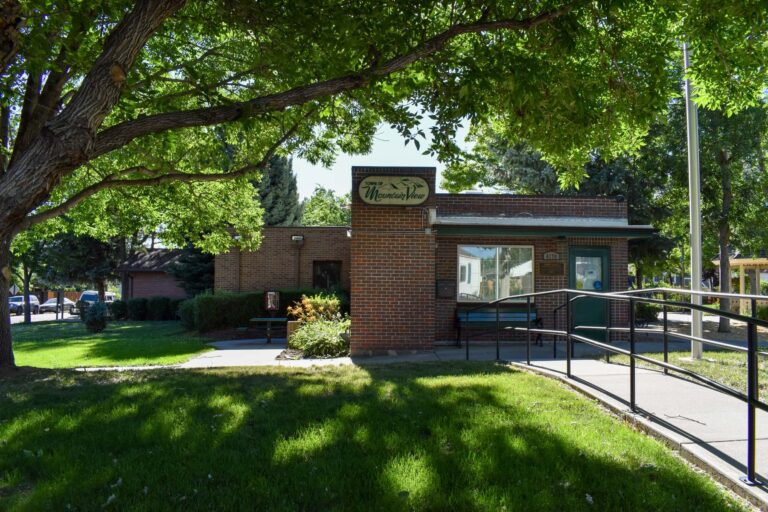


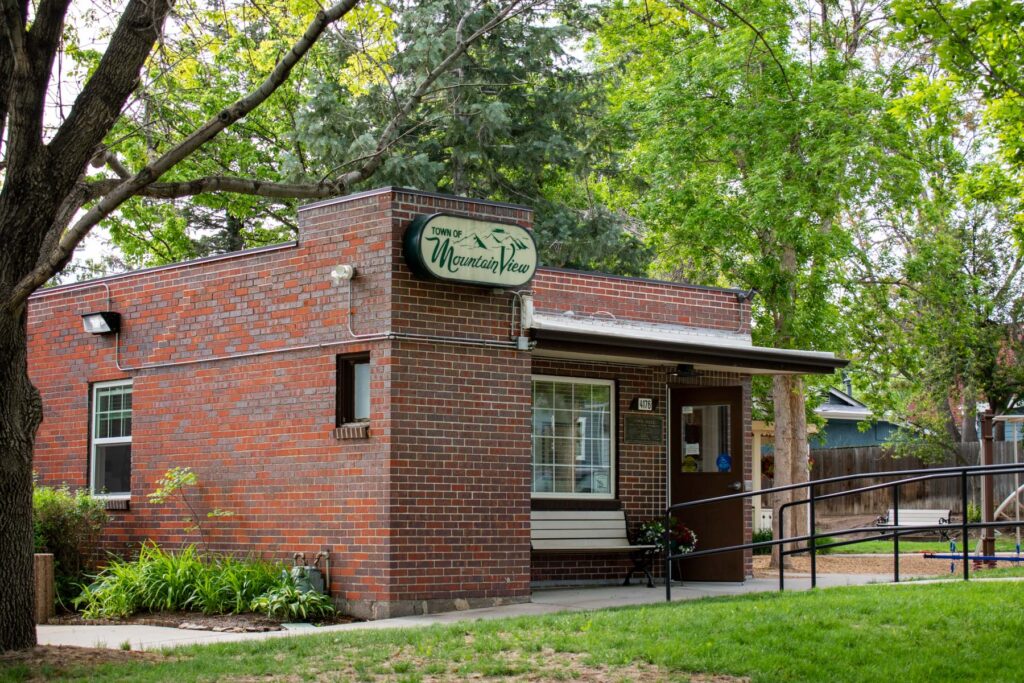
If you drove past Town Hall this month and wondered why staff seem to be buried in spreadsheets a little earlier than usual, there’s a good reason: August is when Mountain View’s annual budget process quietly kicks into gear. It doesn’t come with fireworks or ribbon-cuttings, but the budget is one of the most important documents the Town produces each year — it determines everything from how quickly snow gets plowed on your street to whether the park gets new equipment.
Why August Matters
Every August 25, the Jefferson County Assessor certifies the Town’s total assessed property values to all local taxing entities, including Mountain View, under state law. That certification is the starting gun for local budget season. It tells the Town exactly how much property tax revenue is available to work with for the coming year, within the limits set by state statute and the Taxpayer’s Bill of Rights (TABOR). From that number, staff can begin building a realistic picture of what the Town can afford in the year ahead.
What Happens Next
Colorado law lays out a fairly specific calendar for local governments, and Mountain View follows it closely:
• By September 15, the Town’s budget officer must formally submit a proposed budget to the Town Council, and the Council must publish a public “Notice of Budget” once that draft is in hand.
• Once published, the proposed budget is available for any resident to review before it becomes final. This is intentional — state law wants the public to have a real opportunity to see the numbers before they’re locked in.
• The Town Council will hold a public hearing on the proposed budget prior to adoption, giving residents a formal chance to ask questions or raise concerns about spending priorities.
• By December 15, if Mountain View is certifying a mill levy for the coming year, the budget must be formally adopted before that certification is sent to the county. If for some reason a budget isn’t adopted on time, state law automatically re-appropriates 90 percent of the prior year’s operating budget just to keep basic services running — which is exactly the kind of stopgap the Town works hard to avoid.
Between now and then, expect to see budget workshops and work sessions added to the Council’s regular meeting schedule as staff walks through department requests, capital projects, and revenue projections line by line.
What Actually Goes Into the Budget
For a town as compact as ours — twelve blocks, just a few hundred residents — the budget still has to cover a surprising range of responsibilities: police and municipal court operations, street and alley maintenance, snow removal, park upkeep, utility administration, and general Town Hall operations. It also has to account for larger, less predictable items, like grant-funded projects. Mountain View has used state resources such as the DOLA Local Planning Capacity Grant to support code and planning work, and staff continue to track opportunities like CDBG and state water program funding that can stretch local dollars further without raising costs to residents.
Capital and contract decisions — like whether to renew, rebid, or consolidate service contracts for things like snow removal or street sweeping — are also weighed heavily during this season, since those choices directly affect both service quality and next year’s bottom line.
How You Can Get Involved
Budget season works best when residents weigh in before decisions are finalized, not after. A few ways to make your voice heard this fall:
• Watch for the published Notice of Budget and take a few minutes to review the proposed numbers once they’re available at Town Hall or on the Town’s website.
• Attend the public hearing on the budget — this is the formal, on-the-record opportunity to ask questions or suggest changes before Council votes.
• Reach out directly to the Clerk’s office or your Council representative if you have a specific service or project you’d like to see prioritized.
Small towns like Mountain View only work well when residents stay engaged in decisions like this one. The choices made over the next few months — about streets, parks, public safety, and where limited dollars go — will shape day-to-day life here well into next year. We’ll keep the Gazette updated with specific hearing dates as they’re finalized, and we hope to see many of you there.