

Extract. Manufacture. Use. Throw away.
The “throw away” part is never as simple as it seems. Much of the waste tossed in the rubbish heap comes back to haunt us in various ways. Soil pollution. Toxic off-gassing. Ecosystem destruction.
It is an aesthetic blight on our communities. It is also a wholly unsustainable way of life. Statistics abound regarding the risks facing our planet if we continue consuming in our current manner.
To help address this concern, keep reading as we explore how thoughtful disposal practices can help create a greener Denver!
Mindful Waste Sorting
A great place to start in regards to thoughtful disposal is with proper waste sorting.
Keeping recycling separate from landfill is crucial. Most people don’t realize the impact of contaminated recycling. A single non-recyclable mixed in can ruin the whole batch.
When in doubt, throw it out.
Composting is also essential. Separating food scraps and yard waste from regular trash offers numerous benefits. It can add nutrients to the soil. It limits the threat of toxic off-gassing (methane) caused by anaerobic decomposition in landfills.
Keep an Eye on Hazardous Materials
Not all trash is created equal.
Some carry greater risk than slow biodegradation and landfill crowding. Some waste is actively toxic to the environment, threatening the health of the local ecosystem.
As such, arguably the most important component of waste sorting lies with hazardous materials. Common hazardous products that should kept out of landfills include:
• Automotive fluids
• Paints and solvents
• Batteries
• Household cleaners
• TVs and other electronics
In addition to leaching toxins into the soil, these products are potentially combustible.
Common Mistakes That Lead to Litter and Pollution
Ignorance is no excuse.
But it kind of is when it comes to disposal malpractice.
So many people have been discarding items a certain way their entire life and never thought twice about it. It’s what they saw their parents and grandparents do before them.
Therefore, it is crucial to be aware of the most common mistakes that lead to litter and pollution to have a chance at corrective action. Here are a few of the most prevalent:
• Laziness
• Assuming someone else will take care of it
• Not securing bins (wind or animals could cause litter)
• Contaminating recycling (mixing non-recyclables into recycling bin)
These types of issues compound incrementally. A one-time lapse or oversight can quickly become a pollution-forming habit.
Easy Waste Disposal Tips
The good news is that thoughtful disposal is more than attainable. It just takes some attention to detail.
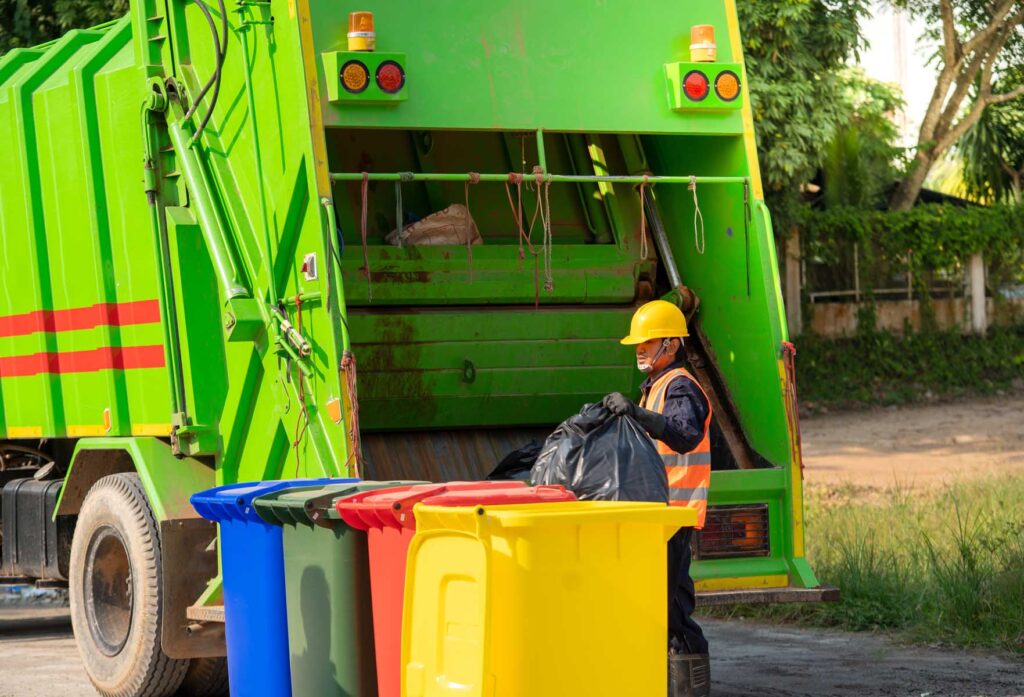
Bin labeling is important. Clearly denote which receptacles are landfill and which are recycling/compost. Don’t expect everyone to understand colors and symbols. Have words prominently displayed.
Rinse recyclables. Many people don’t realize that heavily-soiled containers–even if they are labeled safe for recycling–cannot be recycled. They will contaminate the rest of the batch and cause it all to go into landfill. Give these types of containers a rinse before tossing them out.
Limit single-use items. Carry reusable water bottles. Invest in tupperware containers for food storage. Have cloth bags and totes instead of plastic (some 11 million metric tons of plastic end up in the ocean each year).
What to Do About Renovation?
There remains an elephant in the room as it pertains to disposal: construction and renovation.
This is especially relevant in the Denver Metropolitan area, where the demand for modern housing continues to rise at a seemingly never-ending clip.
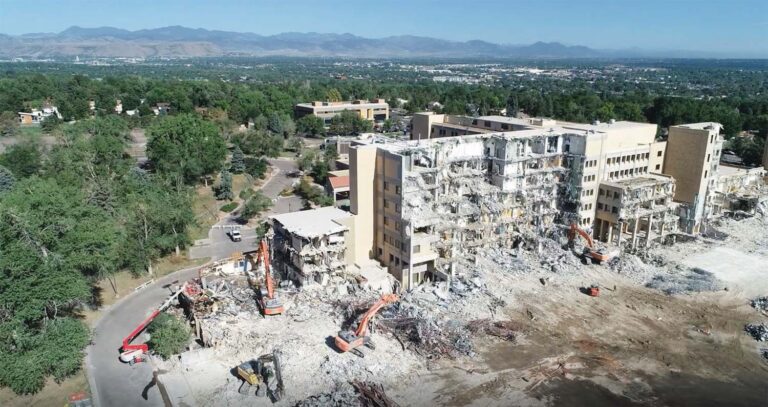
According to the EPA, some 600 million tons of construction debris are generated each year in the United States. This is more than twice the amount of standard municipal solid waste (MSW).
Many sustainable construction methods focus on durability. By limiting the maintenance and replacement requirements of structures, architects can go a long way toward limiting ongoing waste. There is also a huge demand for sourcing from recycled materials and building structures that have end-of-life recyclability.
Nonetheless, some waste will inevitably exist. It would be remiss to assume that we have reached a point of complete zero-trace construction. After all, many old buildings were made from materials (aluminum wiring, asbestos insulation) that are not safe or compliant with modern standards.
The best residential dumpster rental Colorado offers will decrease the need for frequent haul-offs, limiting the amount of time gas-guzzling trucks are on the road. Specialized hydrovac providers are also a crucial component. They will be able to safely “vacuum” any liquid or hazardous spills and transport it to a safe site, reducing the risk of pollution or ecosystem contamination from the renovation project.
More Than Trash: Best Practices for Thoughtful Waste Removal
“Toss it in the trash” seems simple. Not so fast. Troublesome waste disposal practices not only cause litter and pollution. They threaten the future of our planet as a whole. Use any of the commonsense disposal ideas listed above to do your part for a greener tomorrow. For more of the latest sustainability trends in the Denver suburbs, explore the content at Neighborhood Gazette for ideas and inspiration!
Jackie Kaufman is a freelance writer specializing in construction, renovation, and the evolving practices shaping the built environment. With a growing focus on sustainability, she explores how thoughtful design, responsible materials, and smarter building methods can create lasting impact.