


In trauma care, minutes don’t just matter — they decide outcomes.
At Intermountain Health Lutheran Hospital, we recently launched a new approach to care for patients with the most catastrophic penetrating injuries, including stabbings, shootings, and impalements. It’s called our Direct to Operating Room (Direct to OR) program, and it reflects a simple but powerful truth: When a patient is bleeding from a penetrating injury, the only place that bleeding can truly be stopped is the operating room.
Traditionally, when emergency medical services alerted us that they were bringing in a patient with a severe penetrating injury, we activated a full trauma response in the emergency department. Specialists from multiple disciplines assembled, the patient was stabilized and then prepared for surgery. While this process was fast and carefully coordinated, it still involved steps that cost precious time.
With Direct to OR, we’ve changed that pathway.
Now, when EMS crews identify a qualifying penetrating trauma, the entire trauma activation moves to the operating room. Instead of stopping in the emergency department, the patient is taken directly from the ambulance bay or helipad to a dedicated trauma OR — with a goal of making that transition in less than two minutes.
This change was recommended by the trauma surgeons who practice here at Lutheran. As surgeons, we see firsthand what uncontrolled bleeding does to the body, and we know how little margin for error exists. By eliminating unnecessary steps between arrival and surgery, we reduce time to intervention, minimize blood loss and complications, and ultimately improve patient outcomes.
Importantly, this approach also expands access to advanced trauma care, including for pediatric patients. Direct to OR ensures that the right care happens in the right place, at the right time, regardless of a patient’s age.
Launching this program required extensive planning and collaboration. Emergency medical services, surgical teams, and hospital leadership worked closely together to design and refine the process. We conducted dress rehearsals and process improvement exercises to make sure everyone involved was prepared to deliver seamless, high-quality care from the moment a patient arrives. On Feb. 11, our teams ran through a full mock exercise to test the system and confirm our readiness to provide the best care possible for our community. These exercises make sure everyone involved is prepared to deliver seamless, high-quality care from the moment a patient arrives.
For me, Direct to OR represents more than a process change. It’s an expression of our mission and our commitment to patient-centered care. By reducing the steps between arrival and surgery, we are not only saving time — we are saving lives. That’s why this work matters, and why we continue to look for ways to push trauma care forward for the patients and communities we serve.
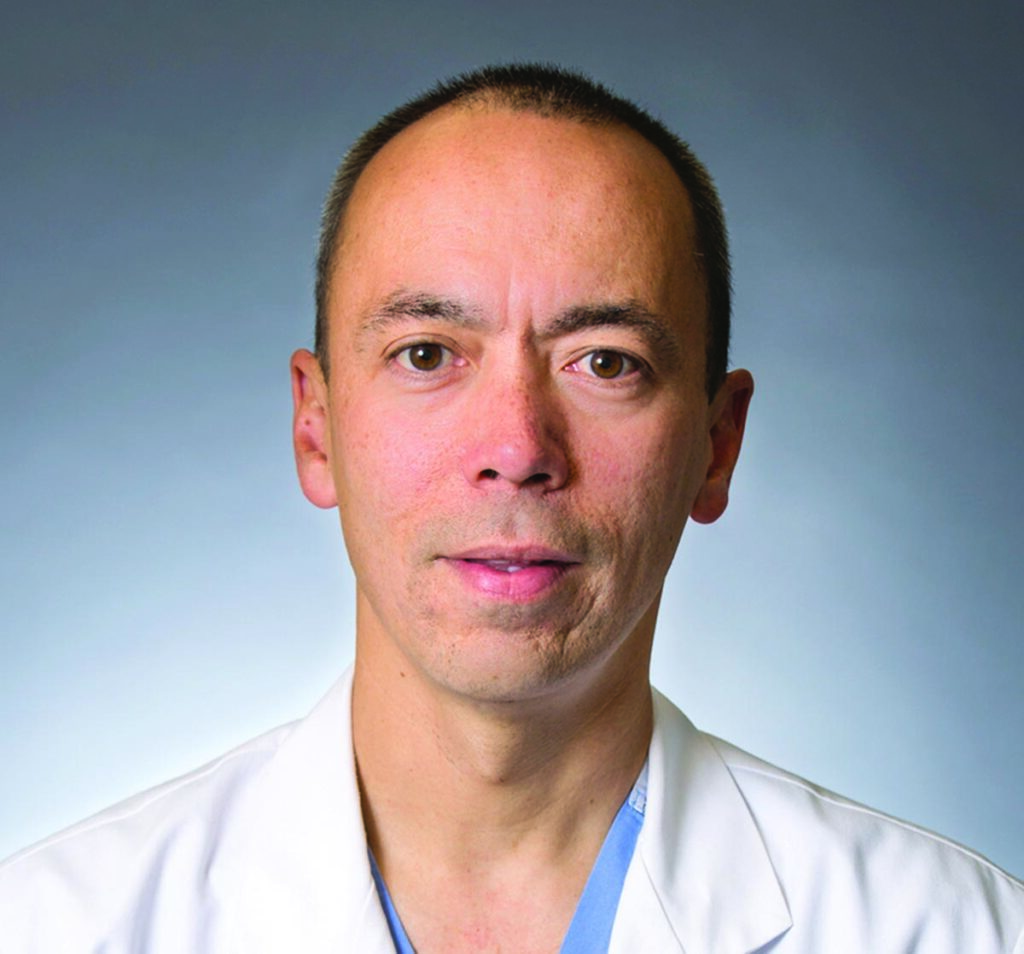
Dr. Robert Madayag is a trauma surgeon with Intermountain Health Lutheran Hospital and the Intermountain Health regional director of trauma services.