


As the city works to accommodate a growing demand for housing, a range of creative solutions is being explored and implemented. Sometimes these efforts yield positive results. Other times, not so much.
The removal of occupancy limits, short-term rentals, home sharing, ADUs, and the rezoning of single-family properties into multi-unit housing has created a little bit of everything for everyone. It has also made it increasingly difficult to keep track of who is living next door — and whether they are even allowed to.
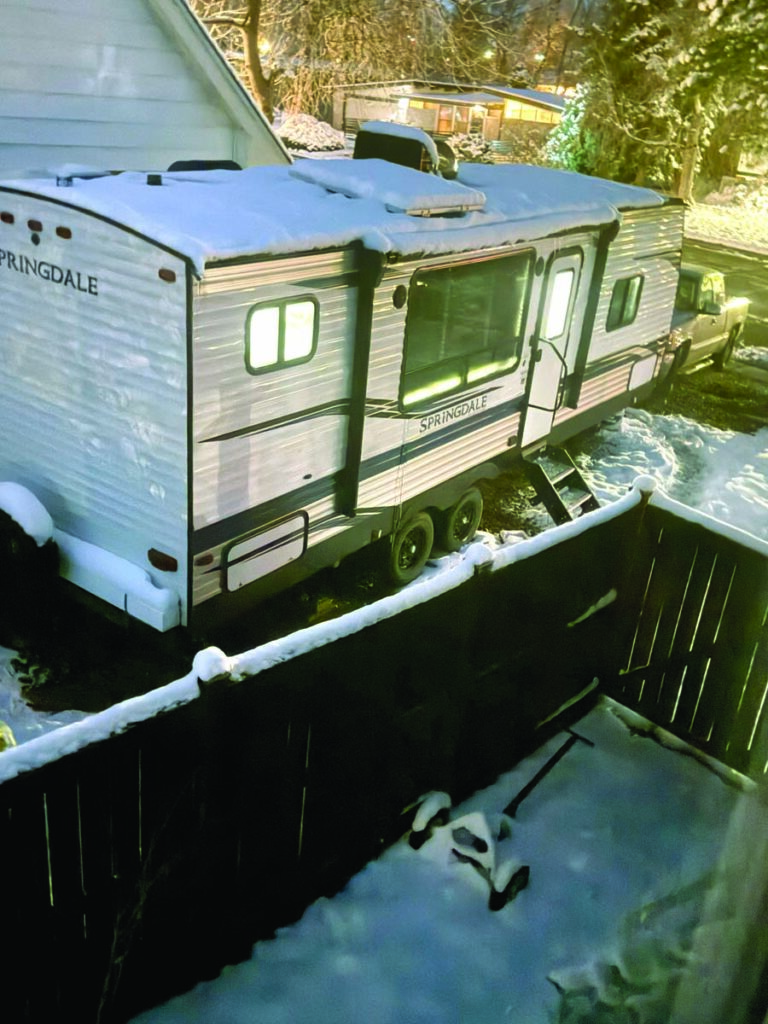
When my neighbor’s home transitioned into a per-bedroom rental and campers began appearing in the driveway, a few of us reached a breaking point. Coincidentally, several neighbors called the city on the same day to ask for help. With an absentee landlord who was unresponsive, it felt like the only logical next step.
It’s important to remember that the city doesn’t act in a vacuum. City staff act at the direction of City Council. Options are explored, recommendations are made, and ultimately decisions are voted oBy two councilors from each district. In other words, the entire city helps decide what may happen right next door to you.
Most of these stories have happy endings. Sometimes, though, they end in frustration or tears — not exactly what anyone envisioned or hoped for. More often than not, the outcome is the result of basic codes and regulations simply not being followed.
In this case, Code Enforcement responded quickly and consistently over the course of ten days. The front yard was cleaned up, vehicles that had been worked on in the street were addressed, and the campers people were sleeping in were removed.
Neighbors exchanged messages, celebrating the return of the quiet neighborhood we once knew. Code Enforcement operates under the supervision of the Wheat Ridge Police Department, and in this instance, they delivered. We are grateful for their professionalism and their help in resolving an unfortunate situation.