

If you think Wheat Ridge politics have become contentious lately, you might be surprised to learn that political turmoil is practically part of our city’s DNA.
Long before Facebook arguments, contentious City Council meetings, and heated ballot campaigns, Wheat Ridge residents were fighting over a fundamental question: Who should control our community’s future?
The year was 1969. Wheat Ridge was an unincorporated community governed by Jefferson County. As neighboring Denver and Lakewood expanded, residents feared losing their independence and the small-town character they cherished.
Incorporation wasn’t simply about creating another municipality. It was about local control. Residents wanted decisions about their streets, neighborhoods, businesses, and property made closer to home. And so, Wheat Ridge became a city in August 1969.
But independence didn’t bring political harmony. The newly established government faced enormous challenges, including creating ordinances, establishing public services, and determining how much authority elected officials should possess.
By 1977, the city had moved toward a council-manager form of government, separating elected policymakers from professional administration. Yet one fundamental disagreement remained: How much government is too much government?
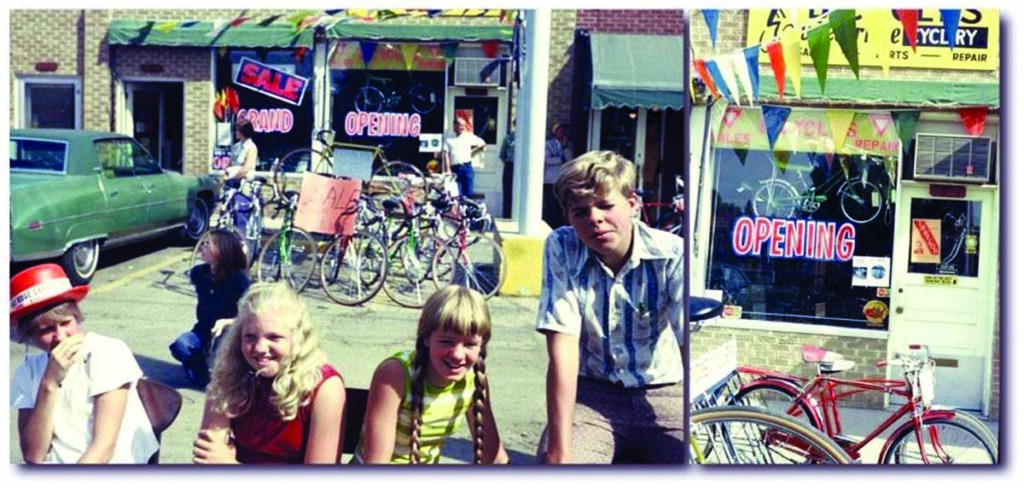
Kiefel’s children (Erlinda, Leona, and Ron) outside the shop. PHOTO COURTESY OF WHEAT RDIGE CYCLERY
During the 1980s and 1990s, growth became a political battlefield. Perhaps nothing illustrated this better than the decades-long fight over West 38th Avenue. Should the street be widened to accommodate traffic and commercial growth? Or should its smaller scale be preserved to protect neighborhood character? What might seem like an ordinary transportation decision became a fierce political struggle, dividing residents and elected officials.
The arguments continued into the 2010s, when proposals to reduce traffic lanes and create a more pedestrian-friendly corridor reignited old divisions. Different decade. Same street. Same disagreement.
Meanwhile, development pressures intensified. Residents debated building heights, housing density, commercial redevelopment, and whether Wheat Ridge was becoming too urban. Then came the Lutheran Legacy Campus. The hospital’s relocation opened approximately 100 acres for redevelopment, creating one of the most consequential land-use debates in the city’s history.
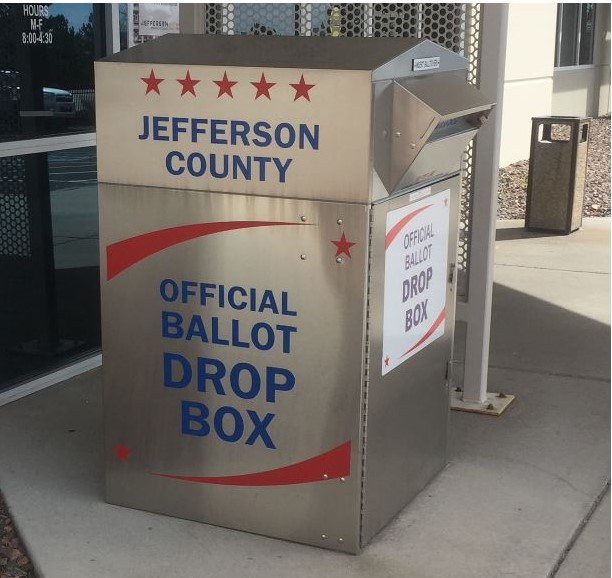
Although voters overwhelmingly supported a 2024 charter amendment establishing building-height limits, the subsequent rezoning generated substantial opposition, including a citizen-led petition effort. In 2025, another controversy emerged when City Council proposed eliminating the elected city clerk and treasurer positions, raising familiar questions about professional management versus direct voter accountability.
Now, in 2026, voters face another significant decision: a proposed one-cent sales tax increase intended to finance infrastructure, public facilities, and community improvements. Supporters emphasize long-term investment. Opponents question affordability, priorities, and government spending. Sound familiar?
For nearly six decades, Wheat Ridge politics have revolved around remarkably consistent questions. Who makes the decisions? Who pays? Who benefits? And who gets to decide what progress looks like?
Perhaps the most remarkable part of Wheat Ridge’s political history isn’t the fighting. It’s that generations of residents have cared enough about this little city to keep fighting for what they believe it should become. Wheat Ridge wasn’t founded on political agreement. It was founded on the belief that its residents deserved a voice.
And 57 years later, they’re still using it.