


We’re taught to turn off the tap while brushing our teeth, a small act that saves a few gallons a day and reassures us we’re doing our part. It’s the kind of advice that drought checklists and utility bill inserts are made of.
While water is being saved at the sink, the urgency is growing. Our day-to-day actions still require water, even AI searches now use water to cool down the infrastructure of the data centers.
Denver Water has declared Stage 1 drought restrictions, with a goal of reducing overall use by 20 percent, and according to the American Water Resources Association, it’s possible that these restrictions can reduce water demand by as much as 56 percent.
Everyday efficiency is no longer a premium, it’s de rigueur. Most plumbing fixtures sold in the United States now meet federal efficiency standards. We use low-flow toilets, showerheads and hot water heaters even considering heat pump water heater models can cost $1,000 to $3,000 more in order to use less energy over time.
Xeriscaping is encouraged at an average cost of $10,000 to $30,000 per yard to yield a reduction of 30 to 60 percent in water usage. Though the financial return may initially seem like a trickle to an individual owner, it can equate to a steady flow when thousands of properties are in the pipeline.
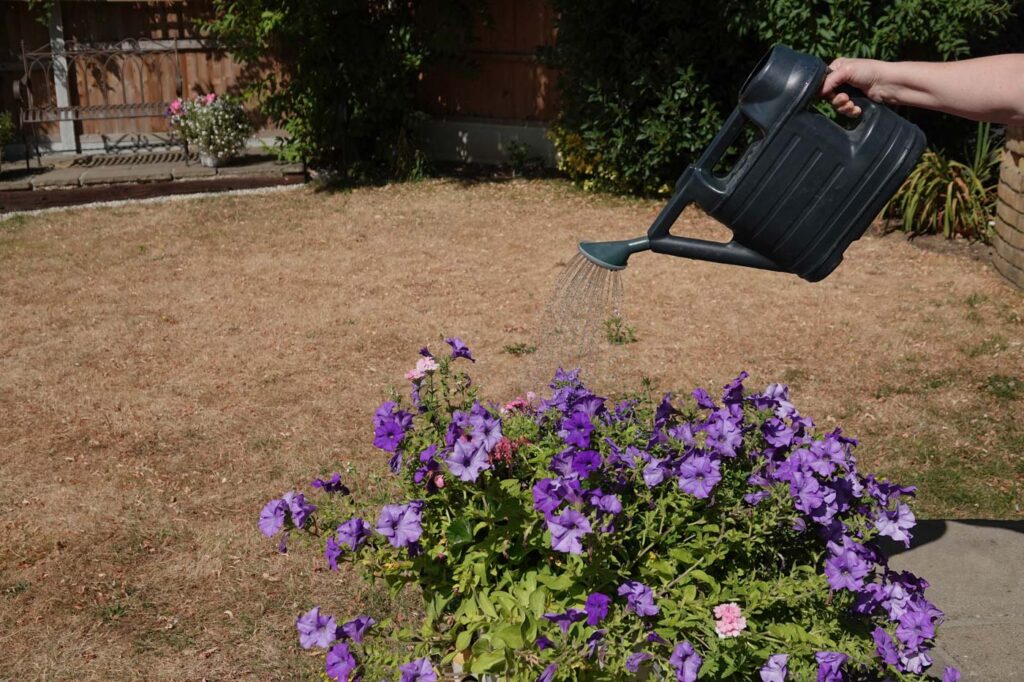
Still, the Denver metro area is using 200 million gallons of treated water on average each day and demand can rise to 300 million gallons per day in the summer, driveBy outdoor watering. Under current restrictions, residents are limited to watering two days per week and to avoid watering during the heat of the day.
In the late 1800s, Wheat Ridge was a landscape of golden wheat ridges, the source of its eponymous name. Today, there is essentially no farmland in the city limits and our main “crop” is the Kentucky bluegrass on our lawns and parks. We have 1,000 to 1,700 acres, which uses 1.11 to 1.66 billion gallons of water per year. The water conservation efforts then become a debate over which patches of grass to keep green.
Landscaping regulations adopted in 2024 support native plants, limit turf in new residential development and promote efficient irrigation. “Replacing portions of traditional lawn with waterwise landscaping can make a meaningful difference over time, especially when those changes are adopted across many households and businesses,” said Amanda Harrison, the city’s communications and engagement manager.
At the local level, Wheat Ridge is trying to make that shift easier. According to Harrison, “Wheat Ridge has been working to support waterwise landscaping through education, incentives, and policy. Since 2021, the city has partnered with Resource Central on programs like Garden In A Box and Lawn Replacement, helping residents swap traditional turf for native and drought-tolerant plants.”
“In Wheat Ridge since 2021, these programs have supported the conversion of approximately 62,500 square feet of lawn to waterwise landscaping, which is estimated to save approximately 4,000,000 gallons of water over the lifetime of these gardens,” she said.
Meanwhile, the largest opportunity for water savings in Colorado hasn’t changed: agricultural irrigation. Statewide, agriculture accounts for the majority of developed water use, often cited at roughly 80 percent. Water use also varies widely by crop. On the high end, Alfalfa, a common livestock feed, can require on the order of one to two million gallons of water per acre each year. Farmers are using the majority of the water source and it is often considered cost-inefficient for conservation efforts to be made.
When asked if household restrictions are negligible, relative to commercial agriculture, Harrison confirmed that “Wheat Ridge understands why residents raise this question as it is a regional and statewide issue.” She indicated that while agriculture accounts for the majority of water use statewide, residents are being asked to reduce consumption within the system they’re directly connected to in order to make a meaningful difference.
Looking ahead, the city’s 2024 Sustainability Action Plan frames conservation as a long-term priority, not just a response to drought. According to Harrison, the goal is to make water efficiency part of everyday life.
Yes, residents are being asked to conserve at home while knowing that the largest water users are outside city limits. Even though the water usage in Wheat Ridge is a fraction of a percent of the state’s resource usage, every drop saved or systematic leak counts.