


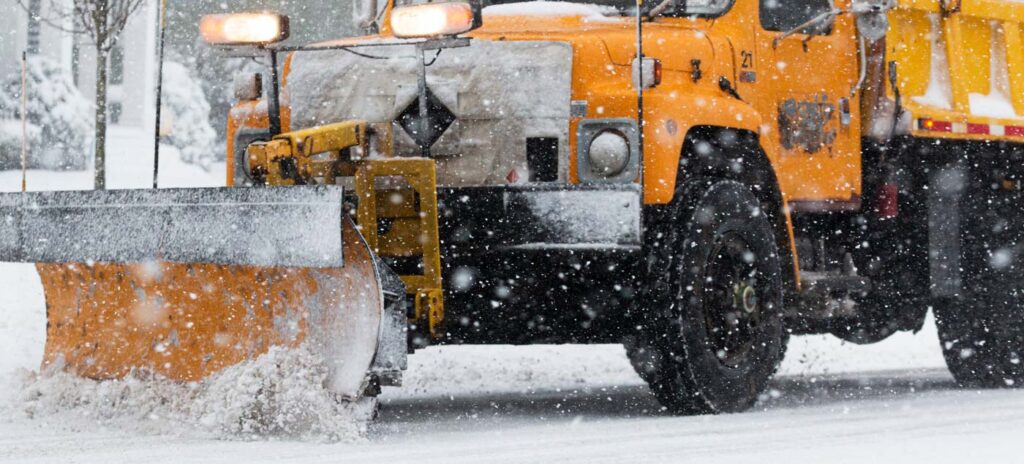
After a winter with roughly half the Denver metro area’s average snowfall, Wheat Ridge residents want to know where the snowplow budget falls. Specifically, if the city spends less on plowing, where does that money go and does it change the budget allocation for next year?
City council member Rachel Hultin said the system is designed to adjust to the weather. “The snowplow budget is based on the calendar year so if the budget for 2026 is under spent currently, it could level out in the fourth quarter. The city tracks overages and underages and adjusts the budget as needed for low-snow years the same as it does for high-snow years,” she said.
Wheat Ridge snow policy requires property owners to shovel adjacent sidewalks within 24 hours after snow accumulations of two inches or more. However, roads are typically plowed when 10 inches of snow is reached in a single weather event. In practice, that threshold is rarely met and has not been reached so far in 2026, a gap that can leave neighborhood streets snow-covered even as sidewalks are cleared within a day.
Local media reports indicate this threshold was only met in the metro area in March of 2021 and March of 2024. If snowplows are rarely deployed at scale, why does the budget include consistent activity?
The Wheat Ridge budgets is available at www.ci.wheatridge.co.us/115/City-Budget. From 2021 through 2024, the actual spend for the line item of the budget for “reducing the impact of extreme weather events on public safety,” as measured in total miles of priority 1 and 2 streets controlled for snow and ice, was 13,900 to 19,000 from 2021 to 2024, with a projected budget of 18,000 for 2025. Priority 1 routes include major arterials and emergency access roads, with the exception of thoroughfares like Ward, Kipling, Wadsworth and Sheridan, which are largely plowed by the Colorado Department of Transportation (CDOT). Priority 2 streets serve secondary connectors and high-traffic areas. Residential streets are not included in these tiers. The budget for 2026 did not itemize the 2025 actuals and 2026 projection for snow and ice removal.
Less visible yet impactful measures are being taken before weather events. The roads are pre-treated, de-iced or sanded, which accounts for the spend even in low-precipitation years. Note that any plowing or de-icing done during storms with less snow or in lower priority areas, is not reflected in reported mileage totals, but that also does not mean it’s not being done.
The labor force behind snow operations is not idle in low-snow years. Hultin said that staff are able to shift their efforts to other public works priorities and that unspent funds at year’s end do not result in the reduction of future budgets.
The bottom line is the budget expands and contracts as needed to meet the constant objective of protecting public safety during extreme weather events.