

Wildfires have become an unfortunate part of summer across the West, and this year is no exception. With multiple large fires burning across the country—including here in Colorado—many of us are paying close attention to air quality before heading outside. While we often think about how smoke affects people, our pets are breathing that same air, and they can experience many of the same health concerns.
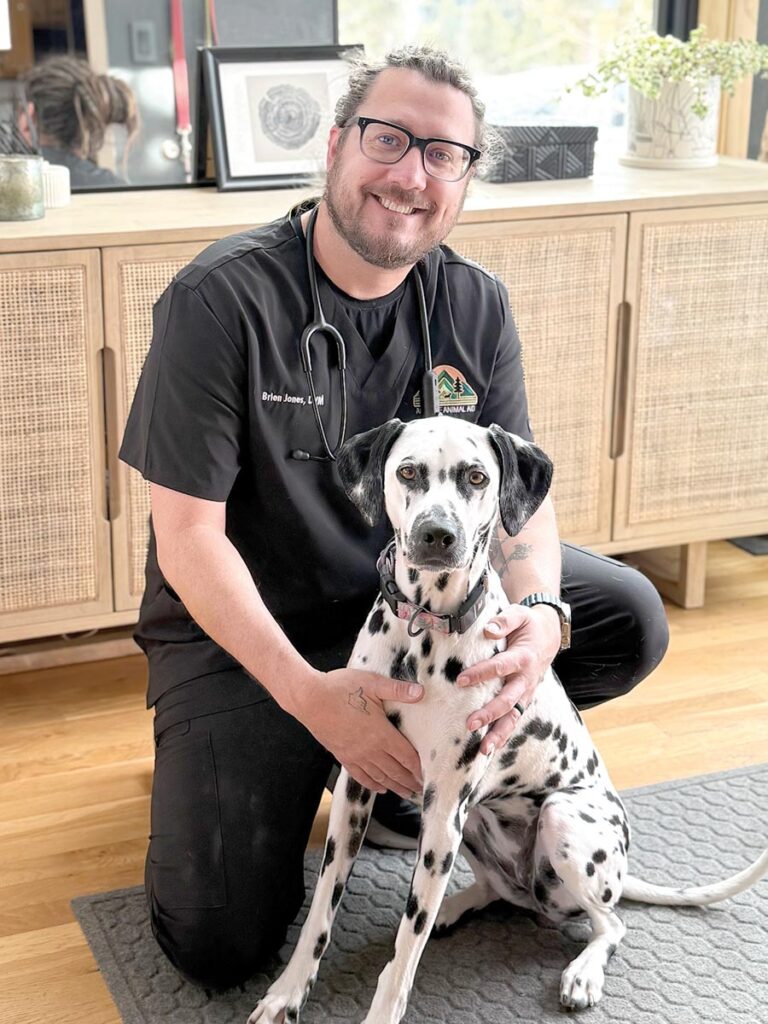
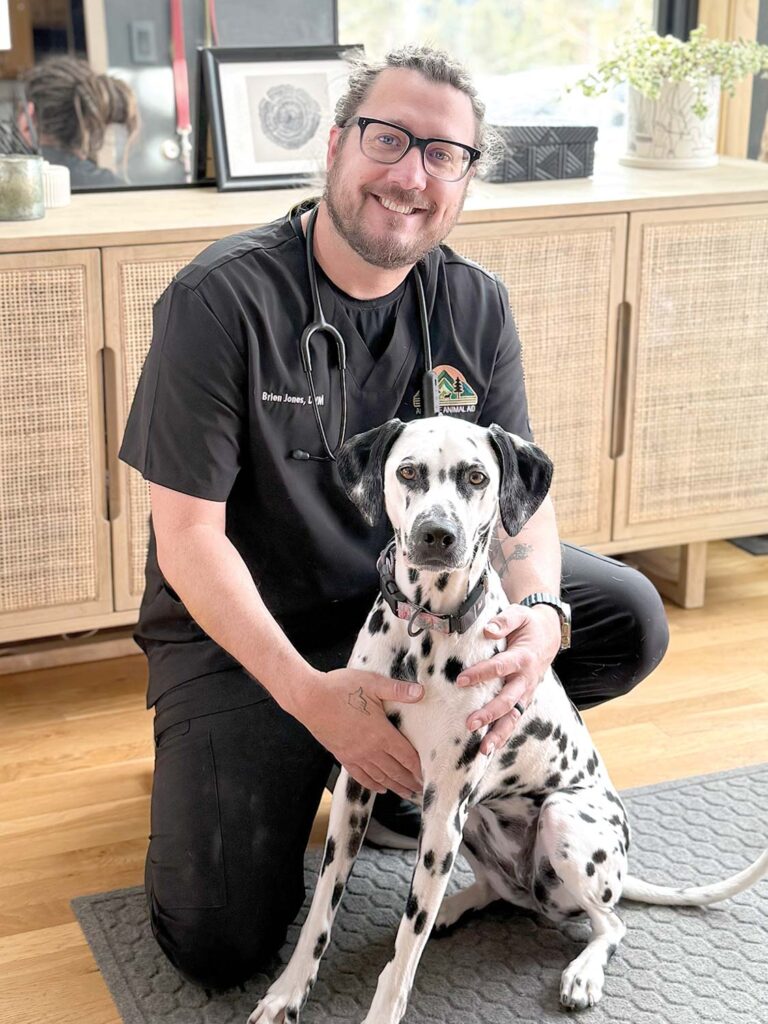
As a mobile veterinarian, I spend much of my day driving to clients’ homes throughout the foothills and surrounding communities. On smoky days, I’ve noticed the haze settling into neighborhoods, and it’s a reminder that our pets can’t tell us when their lungs are irritated—they simply continue breathing whatever is in the air around them.
Smoke contains tiny particles and gases that can irritate the eyes, nose, throat, and lungs. Healthy pets usually recover once air quality improves, but animals with heart disease, asthma, collapsing trachea, chronic bronchitis, or other respiratory conditions are at much greater risk. Flat-faced breeds such as Bulldogs, Pugs, and Boston Terriers may also struggle because they already have less efficient airways.
When air quality reaches unhealthy levels, it’s wise to modify your dog’s routine. Replace long walks, hikes, or trips to the dog park with short leash walks for bathroom breaks. Save exercise for early mornings or wait until the air clears. Indoor games, food puzzles, scent work, or a short training session can provide valuable mental stimulation without exposing your pet to prolonged smoke.
Hydration also becomes more important during smoky conditions. Smoke can dry and irritate the respiratory tract, so encourage your pet to drink fresh water throughout the day. While there isn’t a special “smoke diet,” feeding a complete, balanced diet supports the immune system and overall health as the body responds to environmental stress.
One question I’ve been asked recently is whether larger dogs handle smoke better than smaller dogs. In reality, size offers very little protection. Individual health, age, and breed play a much bigger role than body size. Puppies, senior pets, and those with underlying medical conditions deserve extra caution.
Another concern is the smoke that settles on your dog’s coat. While fur acts as a barrier, smoke particles, ash, and debris can accumulate during outdoor time. Dogs naturally groom themselves, which means they may ingest some of those particles. Wiping your dog’s coat and paws with a damp towel after walks can help remove residue, especially before they settle in for a nap on the couch or begin grooming.
Most healthy pets recover without lasting effects after brief smoke exposure. However, repeated or prolonged exposure may worsen chronic airway disease or contribute to long-term respiratory irritation. If your pet develops persistent coughing, labored breathing, lethargy, decreased appetite, or eye irritation, contact your veterinarian promptly.
We can’t control wildfire season, but we can adapt. A little extra caution during smoky days can go a long way toward protecting the health of our four-legged family members until blue skies return.