


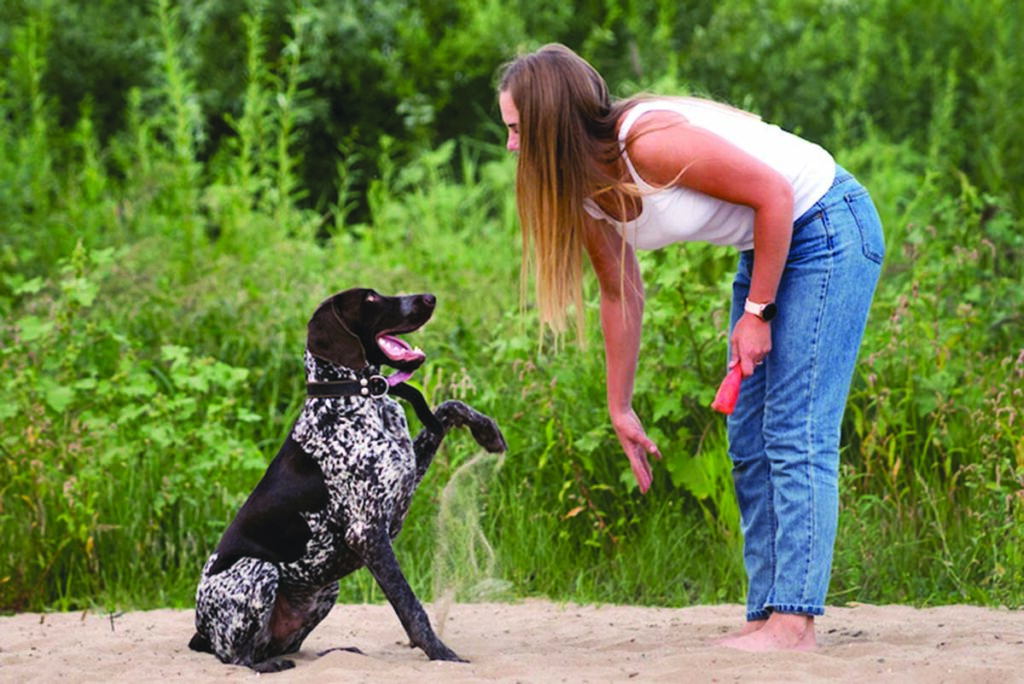
Bringing a dog into your life is incredibly rewarding, but it can also come with challenges. From puppy biting and leash pulling to fear, anxiety, or reactivity, many owners eventually wonder if professional training could help. The answer is often yes—and choosing the right professional makes all the difference.
Training isn’t just for “problem dogs.” Professional guidance can be helpful at many stages of a dog’s life, including: puppies learning foundational skills and socialization; adolescent dogs struggling with impulse control; adult dogs with anxiety, reactivity, or leash issues; rescue dogs adjusting to new environments; senior dogs adapting to physical or cognitive changes.
Training improves communication, builds confidence, and strengthens the bond between you and your dog. Addressing concerns early can prevent frustration, reduce stress, and improve safety for everyone involved.
No—and this is a critical point. Dog training is an unregulated industry, meaning anyone can call themselves a trainer regardless of education or experience. Training philosophies vary widely, from science-based, humane methods to outdated or punishment-based approaches. This makes researching trainers especially important.
A reputable trainer should be open and transparent about their background and methods. Look for certifications from recognized organizations; ongoing education to stay current with behavior science; a training philosophy focused on positive reinforcement and fear-free practices. Experience with your dog’s specific needs, including age, breed tendencies, or behavior challenges. A good trainer should welcome questions and clearly explain their approach.
Dog training has many specialties, and not every trainer is suited for every situation. Common specialties include: puppy training and socialization; basic manners and obedience; behavior modification for fear, anxiety, or reactivity; aggression prevention and management; therapy or service dog preparation; sports and enrichment-based training. Choosing a trainer who regularly works with challenges similar to your dog’s can significantly improve outcomes.
In some cases, training alone isn’t enough. Veterinary behaviorists are licensed veterinarians with advanced, specialized training in animal behavior. They can diagnose behavioral disorders, assess the role of pain or medical conditions, and prescribe medications when appropriate. Dogs experiencing severe anxiety, aggression, panic, or compulsive behaviors often benefit most from a team approach, working with both a qualified trainer and a veterinary behaviorist. The behaviorist addresses the medical and emotional components, while the trainer helps implement behavior modification plans in daily life. Collaboration between these professionals often leads to the best long-term success.
Senior dogs are fully capable of learning new behaviors. Training older dogs provides mental stimulation, supports mobility, reinforces routines, and helps manage age-related changes. Training simply needs to be adjusted to match their physical comfort and energy levels.
Dogs aren’t being “bad”- they’re communicating. A great trainer doesn’t just teach commands; they help you understand what your dog is trying to tell you. The best outcomes come from humane methods, realistic expectations, and—when needed—collaboration with veterinary professionals. Taking the time to ask questions and choose the right support can reduce stress, build trust, and improve quality of life for both you and your dog.