

A curious thought occurred to me the other day. I was seated in the dining room of the Red Brick House in the Historical Park (also known as the White Family Home), gazing out the windows at the gorgeous mural painted on the side of the Old Post Office.
The mural depicts a young man sitting atop a wagon pulled by a team of horses. In the wagon bed rests an oversized celery plant—the very crop that was farmed on that spot more than 125 years ago, when Albert “Bert” White and his wife, Etta, arrived from Iowa with their two young sons, eager to farm the 15 acres they had purchased from James Baugh.
The family first moved into a sod house (now known as the Soddy) and began farming. Some time later, Bert loaned one of his former farmworkers the funds to return home to Italy for a family gathering. Before boarding a ship in Marseille, France, the worker obtained seeds for a new variety of celery. This French variety, called Pascal celery after the farmer who developed it in the 1880s, sparked an idea for Bert. He planted the seeds, was pleased with the harvest, and soon devoted nearly all 15 acres to the crop.
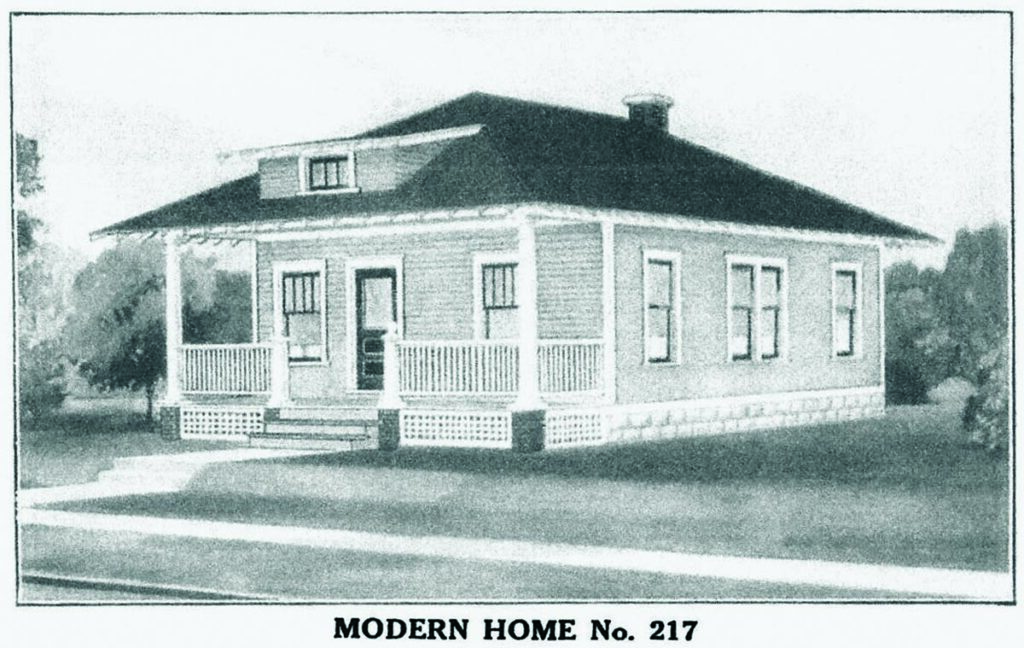
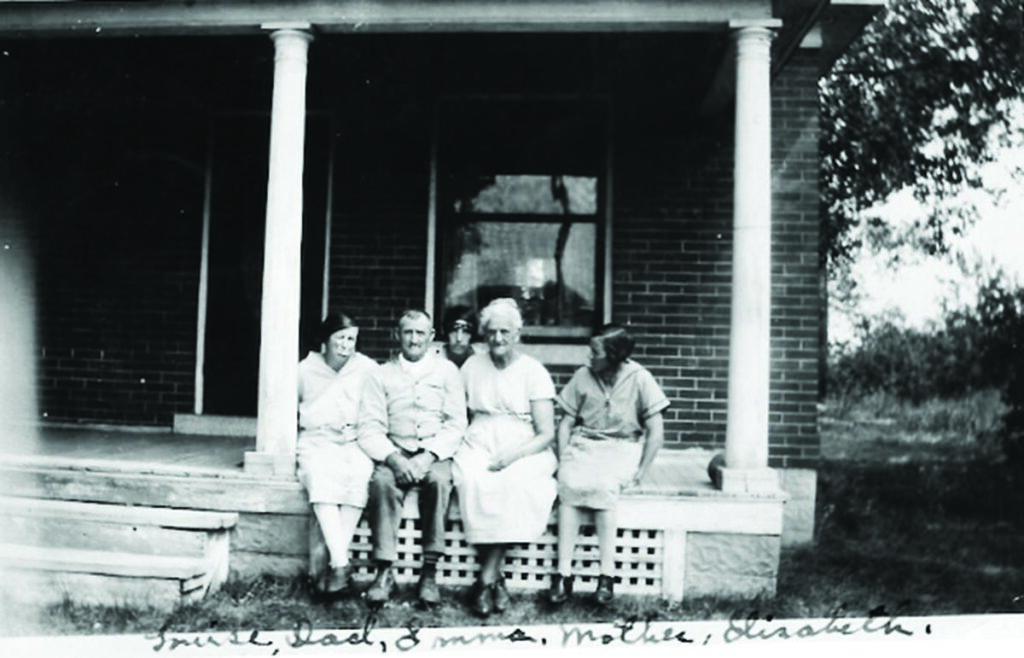
Around 1910, after establishing himself as a premier celery farmer and seed supplier to neighboring farms, Etta decided she wanted a new house. After browsing a Sears, Roebuck catalog featuring the company’s new “kit homes,” the couple chose Model 217 because it reminded Etta of her childhood home. They ordered it and paid a whopping $543 for the basic two-bedroom bungalow with a parlor, dining room, and kitchen—quite a luxury at the time.
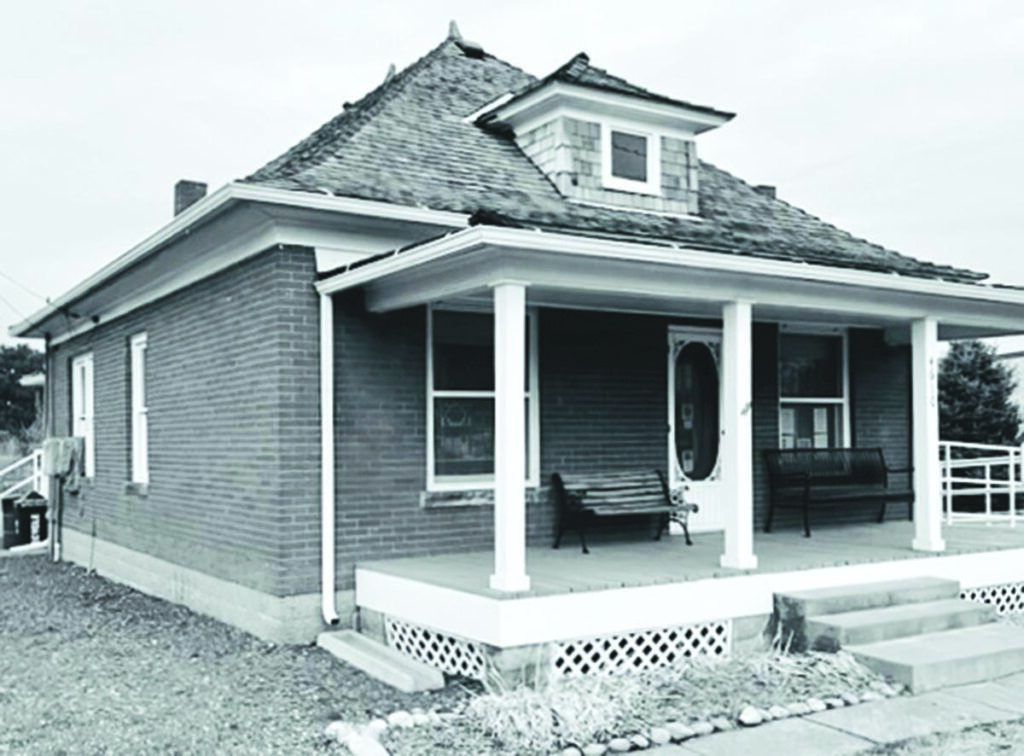
Bert and his two sons, who had grown into strong farmhands, made several trips by wagon to the nearby railroad stop to retrieve the prepackaged materials—lumber, shingles, pipe, gutters, hardware, paint, and instructions. Once everything was assembled at the farm, they built a lovely red brick home. One son, Leonard, skilled in carpentry, crafted a carved oak fireplace and mantel for the parlor. The boys may have been slightly disappointed to learn they would continue living in the sod house, while Bert and Etta reserved the new home for their golden years. On the other hand, the sons likely enjoyed their independence—though they did have to share the sod house with Bert’s recently purchased Model T.
Bert and Etta lived at 4610 Sunnyside Lane (now Robb Street) until shortly before 1935, when they passed away within two months of each other, leaving the Red Brick House to their sons.
But I digress.
The point I wanted to make is this: the figures in the mural—the man, the wagon, and the horses—are actually life-sized. Though rendered in two dimensions on the Old Post Office wall, it’s easy to imagine a similar wagon pulling up to that very spot more than a century ago, loaded with Pascal celery and driveBy premier celery farmer Bert White himself.
History truly comes alive.