

For many patients, managing a chronic condition goes beyond medications and medical visits. It also shows up at the dinner table. When budgets are tight, nutritious food can be one of the first things to fall away—at the same time conditions like high blood pressure or diabetes require steady, healthy meals.
That’s where Intermountain Health Lutheran Hospital’s partnership with Food Bank of the Rockies is making a meaningful difference. Together, they connect patients to Food for Health, a Food is Medicine program that supports both food security and chronic disease management—meeting patients where they are and helping them care for their health every day.
Food Bank of the Rockies is one of five food banks in the Feeding Colorado network. Its mission is straightforward and urgent: Get food and basic necessities to people who need it. To do that, the organization partners with more than 700 hunger-relief organizations across 32 counties in Colorado and Wyoming. In addition to supporting partner distributions, Food Bank of the Rockies operates direct programs such as Food for Health, Everyday Eats for older adults, mobile pantries, and SNAP outreach—all grounded in expanding access to nutritious food.
Food for Health launched in October 2022, with Intermountain Health as a key supporter of its growth. Lutheran Hospital participates as a referring partner alongside other Intermountain hospitals in Colorado, helping identify patients who could benefit from reliable access to healthy food.
The process starts at the hospital. Care teams screen patients for food insecurity and confirm at least one qualifying diagnosis—hypertension, cardiovascular disease, prediabetes, or type 2 diabetes. When patients meet the criteria and choose to participate, Food Bank of the Rockies enrolls them and coordinates ongoing food support. Many participants are also connected to additional resources, including SNAP outreach.
Food for Health is a 12-month program built around access, education, and long-term confidence. During the first six months, participants receive weekly deliveries that include medically tailored groceries—shelf-stable foods selected to support chronic disease management—along with fresh produce. Items emphasize lower sodium and added sugars while encouraging whole grains, fruits, and vegetables.
Each delivery also includes a nutrition newsletter with practical, easy-to-use guidance. The goal is simple: Build skills and confidence so patients feel empowered to make food choices that support their health.
In the second half of the program, participants transition to a produce prescription that encourages independence and choice. Each month, they receive a $35 prescription card to purchase fresh, canned, or frozen produce at most major retailers. This phase helps participants put what they’ve learned into practice—reading labels, shopping with confidence, and choosing foods that fit their preferences and health needs.
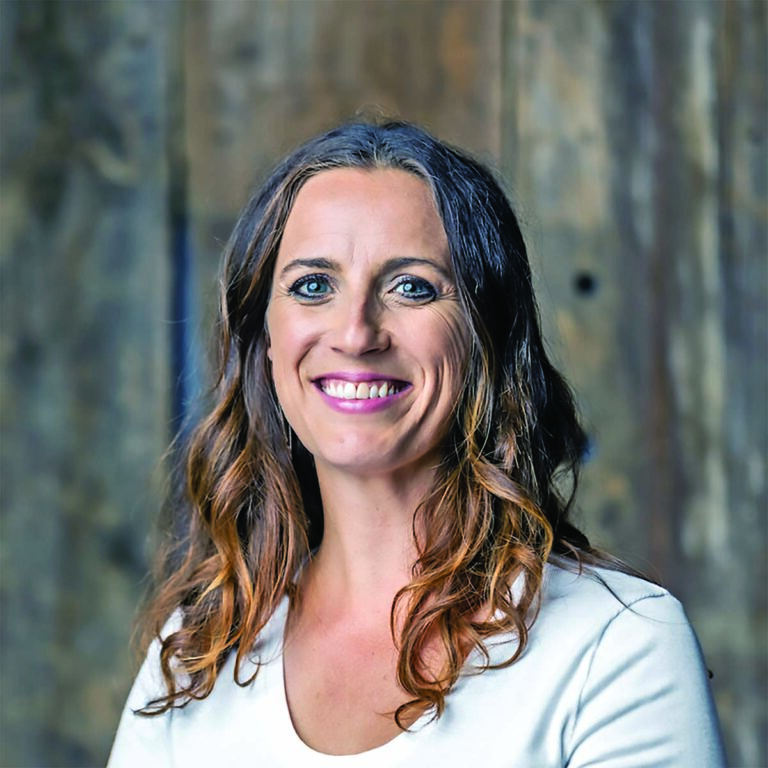
“As Food for Health has grown, Food Bank of the Rockies now averages about 700 weekly deliveries,” said Jennie Kim, Nutrition Manager at Food Bank of the Rockies. “Intermountain Health and Lutheran Hospital is one of the program’s largest referral partners, demonstrating how healthcare and community organizations can work together to improve community health through better access to nutritious food.”
Across Intermountain, 115 patients are actively receiving Food for Health deliveries. Overall, 319 Intermountain patients have completed the full 12-month program, including 90 Lutheran patients who have graduated after finishing all 12 months.
Recently, a patient was discharged from Lutheran with a blood pressure cuff, a new list of medications, and a warning that if he didn’t get his blood pressure under control, he could be right back in the hospital. When he got home, his fridge was almost empty. Fresh produce was expensive, and he was already choosing between refilling prescriptions and buying groceries. He said it felt like his health plan depended on a grocery budget he didn’t have.
Then he enrolled in Food for Health. The groceries and produce made it possible to build meals around lower-sodium staples instead of whatever was cheapest and fastest. Week by week, he stopped skipping meals, and his home readings started trending down. When the program transitioned to the $35 produce prescription, it helped him keep the momentum going at the store and choose produce he could afford. He said Food for Health didn’t just bring food to his door—it helped him turn a scary discharge into a recovery he could sustain.
Since 2023, Intermountain Health has contributed about $101,000 to support Food for Health. This funding helps sustain food deliveries, nutrition education, and ongoing program operations.
“Food for Health reflects a broader shift in hunger relief—moving beyond providing calories to support health,” said Chuck Ault, Intermountain Health Community Health program manager. “Lutheran Hospital’s role—screening patients, making referrals, and supporting sustainability—shows what’s possible when healthcare systems and community partners work side by side. For patients, that collaboration can mean fewer trade-offs, more nutritious meals, and stronger support in managing chronic disease day to day.”