

Water and the lack of it is on everyone’s minds lately. As another article in this newspaper recently asked, “are local efforts a drop in the bucket” when it comes to statewide water scarcity?
Sustainable Wheat Ridge, the volunteer committee that helps shape and implement the Sustainable Action Plan “SAP”, believes that all local efforts are worthwhile and necessary to drive change regionally. That’s why the first of eight focus areas of the Plan is Water, and improving efficiency and conservation across the city is a major strategy.
What does that mean for you?
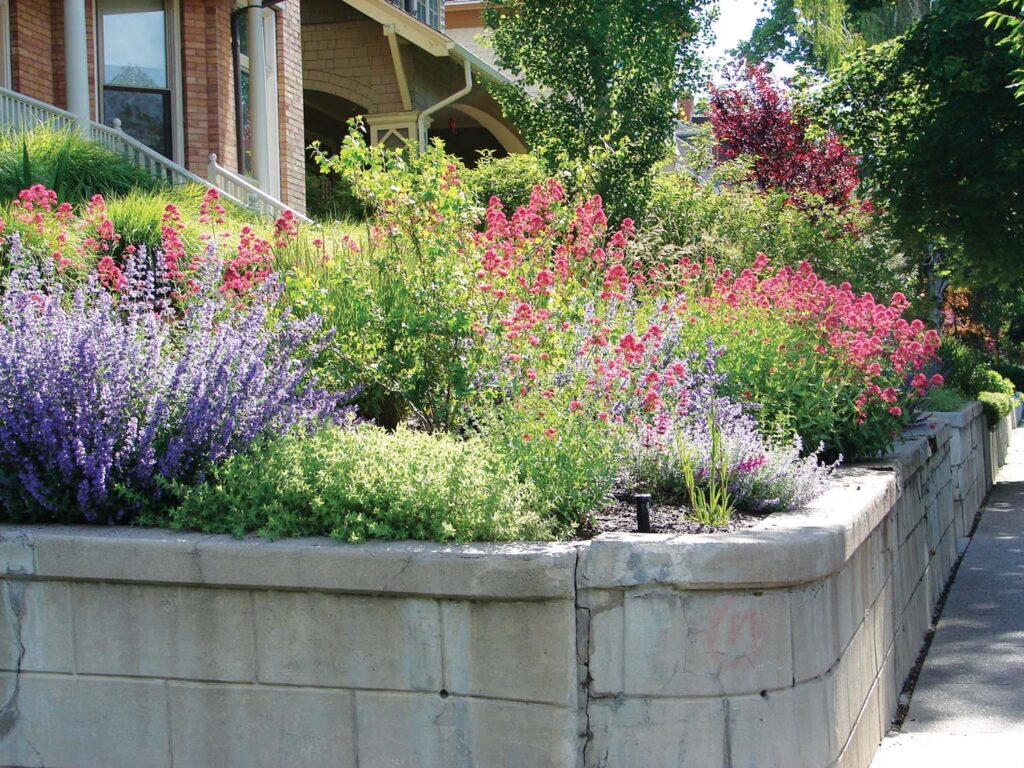
As the other water-focused article noted, waterwise landscaping is a meaningful approach to lowering water use. Many homeowners and renters see waterwise gardens as unattainable due to high upfront costs, but options for smaller changes are much more affordable and just as impactful. If you are interested in converting your grass lawn or renovating your yard to a waterwise oasis, check out Resource Central’s offerings on their website.
Here are some other adjustments that can help you and your landscaping achieve a more waterwise status.
Rain Barrels – Colorado law allows a combined 110-gallon collection (usually split between two 55-gallon barrels) per single-family residential or multi-family complexes of up to four units. Known as rainwater harvesting, this method of collecting precipitation is only for outdoor irrigation. By using the water that falls from your roof and gutters in a calculated way, you can offset your sprinkler or hand watering use from your outdoor tap. Of course, this method requires that some water falls from the sky and fills your containers. There are many retailers of rain barrels in the Denver Metro area, including on Facebook Marketplace.
Cycle and Soak – If you have landscaping or grass that needs to be watered consistently, consider using the cycle and soak method. This method divides your total watering time into multiple, shorter sessions separated by breaks, allowing for deeper absorption and less wasteful runoff of water. Deeper absorption helps plants survive between non-watering days and can reduce weed growth, since the water is targeted to deep roots. Sprinklers that run for longer periods often lead to runoff, where water pools on the ground or runs down driveways, sidewalks, and roads. The cycle and soak method is especially practical for water savings when the landscapes contain more clay soils or are steeply sloped.
Upgrade Your Irrigation – The way you water your landscaping is crucial to becoming more waterwise. The best method by far is drip irrigation, which prevents waste from evaporation and runoff. Automatic sprinklers are next, especially if they’re controlled by a smart controller which can adjust for weather and use the cycle and soak method. The worst way to water in a drought is manually and at the wrong time of day (between 10 a.m. and 6 p.m.), so try to avoid those.
It may seem like your efforts are small, but every drop counts.