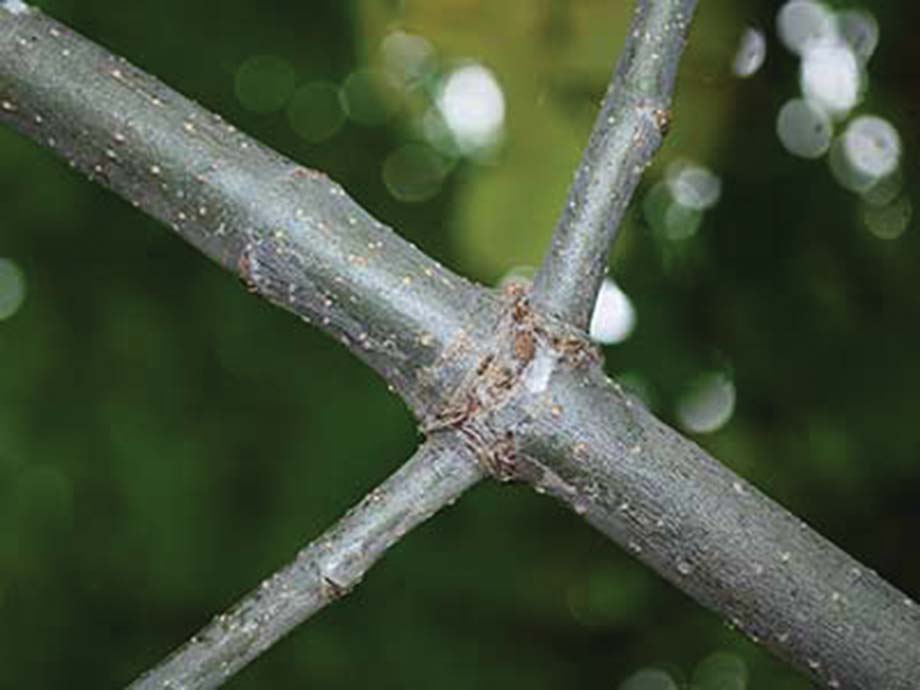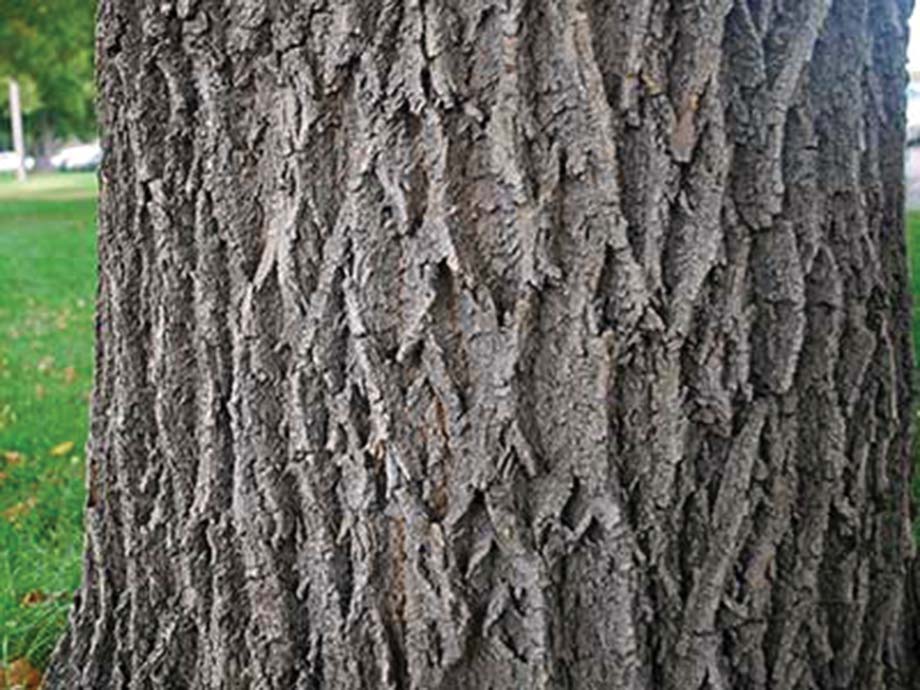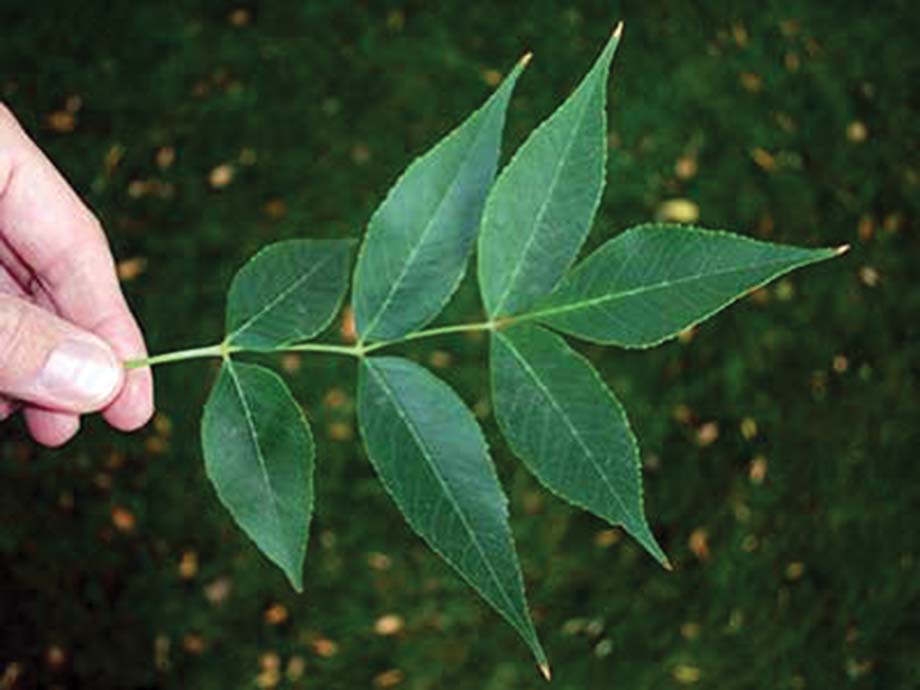


The emerald ash borer (EAB), an invasive beetle responsible for the destruction of millions of ash trees across North America, continues to pose a growing risk to Colorado’s urban and community forests. EAB primarily attacks ash trees (genus Fraxinus), laying eggs under the bark. When larvae hatch, they feed on the tree’s inner tissues, disrupting the flow of water and nutrients and eventually killing the tree. According to the Colorado State Forest Service (CSFS), an estimated 15 percent or more of all urban and community trees in Colorado are ash species, making neighborhoods particularly vulnerable if no action is taken.
Recognizing the Signs
Early detection of EAB can be difficult, especially for untrained observers. Common warning signs include thinning leaves in the upper canopy, vertical splits in the bark that may reveal distinctive S-shaped galleries underneath, unusually small leaves late in the summer, and new sprouts emerging along branches or within the canopy as the tree attempts to compensate for damage. By the time these symptoms are clearly visible, infestations are often well established.
Local Response in Edgewater
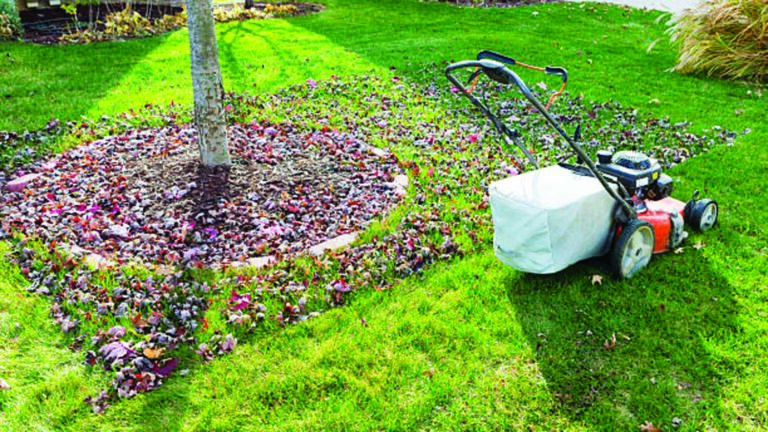
The City of Edgewater has been proactive in preparing for potential EAB impacts through its Trees & Beetles and Healthy Tree Canopy programs. These initiatives support residents with professional inspections, treatment options, and, when necessary, removal or replacement of affected trees. For eligible ash trees that are healthy and structurally sound, preventative treatment may be offered when the tree meets size and condition requirements and is serviced by the city’s licensed contractor following state and CSU-approved application methods.
City officials emphasize that treatments must be timed carefully, generally between early May and mid-August, and follow industry recommendations, typically requiring reapplication every three years to be effective without overuse.
What Homeowners Can Do
Forestry experts agree that the single most important step homeowners can take is determining whether they have ash trees on their property. Once identified, owners should evaluate each tree’s health, location, and value to decide whether treatment, removal, or replacement makes the most sense. The CSFS advises consulting a professional arborist or forester before using any insecticide products, especially for large or mature trees.
Another critical prevention strategy is avoiding the transport of firewood. Moving untreated hardwood firewood is one of the most common ways EAB spreads to new areas. Residents are urged to buy firewood locally and burn it where it is purchased.
Planning for a Resilient Urban Forest
Looking ahead, both Edgewater and the CSFS encourage long-term planning through tree diversity. Homeowners are advised not to plant new ash trees and instead select a variety of species so that no single type makes up more than 10 percent of the local tree population. “Planting ahead” with diverse, well-suited species can help replace lost ash trees and preserve the shade, ecological benefits, and character of Colorado’s communities.
Visit the City’s EAB webpage for identification and care options: www.EdgewaterCO.gov/trees
If you think you have an ash tree, the City Arborist can visit your property email [email protected]. The Healthy Tree Canopy program may also help cover treatment costs for eligible property owners. Preventative care now can save ash trees for years to come.