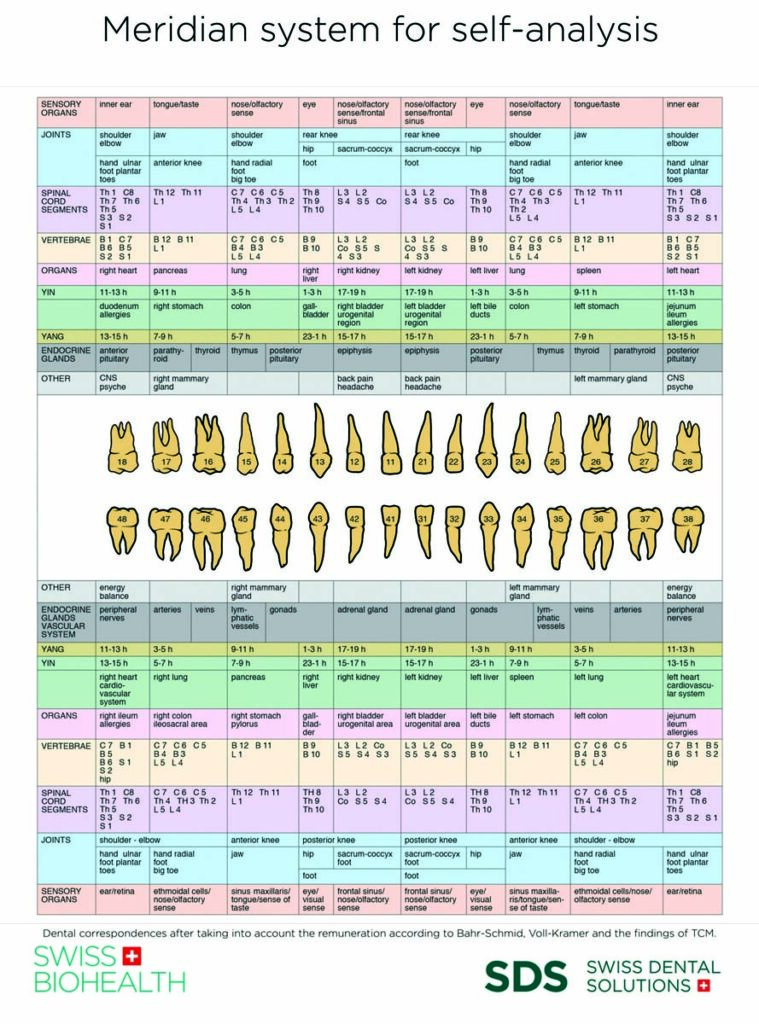



In integrative dentistry, your mouth isn’t seen as an isolated system. Instead, it’s recognized as a dynamic part of the body—closely connected to the nervous system, immune system, and energetic pathways that influence overall health. One framework highlighting these connections comes from Traditional Chinese Medicine (TCM): the concept of meridians.
Meridians are energetic pathways through which life force—often called Qi—flows throughout the body. Each meridian is linked to specific organs, tissues, emotions, and physiological functions. According to TCM and emerging integrative research, each tooth lies along a meridian pathway, meaning disturbances in certain teeth may reflect imbalance in corresponding organs—and vice versa.
While dental meridian theory does not replace modern diagnostics, it provides insight into why dental issues can sometimes coincide with unexplained systemic symptoms.
Each tooth is connected to one or more meridians. Chronic infections, inflammation, or dental trauma may act as “stress points” within the body’s network, while organ dysfunction can manifest as pain, sensitivity, or recurring issues in specific teeth—even when the teeth appear healthy.
Here’s a simplified overview of commonly referenced tooth–organ connections:
- Incisors: Linked to kidneys and bladder; may correlate with fatigue, hormonal imbalance, or stress.
- Canines (eye teeth): Connected to liver and gallbladder; may reflect headaches, jaw tension, irritability, or digestive issues.
- Premolars: Associated with lungs and large intestine; inflammation here can correspond with respiratory issues, allergies, or skin problems.
- Upper molars: Related to stomach, spleen, and pancreas; may influence digestion, blood sugar, or energy levels.
- Lower molars: Connected to heart and small intestine; chronic issues may reflect emotional stress or circulation challenges.
- Wisdom teeth: Linked to heart, small intestine, and endocrine regulation; impacted teeth may affect hormonal balance, nervous system function, and overall stress response.
Unresolved dental infections, cavitations, or metal restorations can act as low-grade stressors in the body, influencing immune regulation, detoxification pathways, and neurological signaling. While not every tooth problem causes systemic illness, these connections highlight the body’s interconnectedness.
For optimal overall health, it is important to work with a dentist who combines meridian-informed perspectives with modern diagnostics, including CBCT imaging, salivary and microbiome testing, and collaboration with integrative medical providers. This allows a scientifically grounded, whole-body approach to oral health.
By recognizing patterns and listening to your body’s signals, you can support not only a healthier smile but also improve overall wellness. Your mouth is not separate from your body—it’s one of its most powerful messengers.