


As the mother of three girls ages 7, 5, and 3, the back-to-school season is always busy. And as a pediatrician who works in a nonprofit and takes care of kids north of Denver, work is also, extremely busy. Between keeping track of my work deadlines, increased patient visits, house needs, school shopping, and back to school schedules, I am stretched thin for August and September. I know I am not alone and that most parents feel the same way.
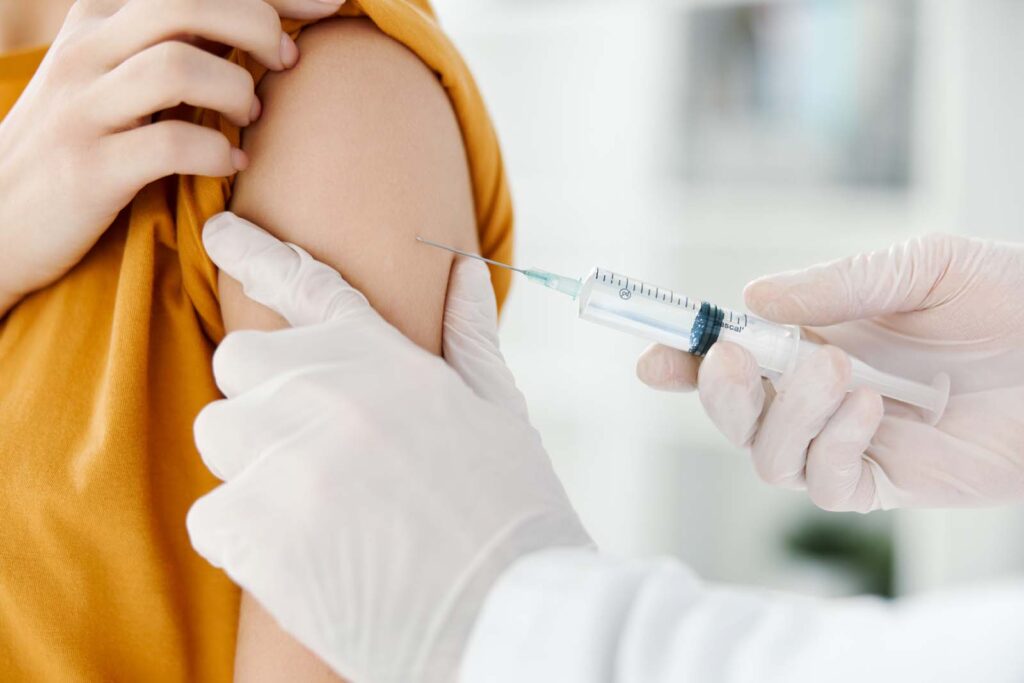
While parents are juggling multiple responsibilities in the late summer, their children may be due for annual physicals and vaccinations before starting school. Add the noise and confusion around vaccine safety and attending annual well child checks and vaccine appointments can be particularly stressful.
So let’s get back to basics about vaccines and why they are important for all children, from infants to teens reaching adulthood. Here are some of the most common questions parents ask me and the guidance I provide in clinic.
Why do children receive vaccines?
Vaccines are one of the best studied and most effective scientific interventions humans have developed to prevent severe illness and death from communicable diseases. Vaccines are amazing because they keep an individual from getting sick from viruses or bacteria that can lead to hospitalizations death. For some vaccine-preventable illnesses, we do not have medical treatments beyond supportive care, so preventing infection is the best way to avoid bad health outcomes.
Why are there so many vaccines?
As people continue to advance scientific research and make medical breakthroughs, we have been able to prevent more illnesses with vaccinations. The vaccine schedule for children is designed to protect children on the pathogens that are most dangerous to them at that time in their life. Similarly, there are vaccines recommended for older adults or individuals with certain health conditions based on their specific health needs.
Are vaccines safe?
When parents ask if vaccines are safe, I want to understand their question fully. Vaccines can cause pain, redness or tenderness at the site of injection, and fever as well as, rarely, some more severe side effects, such as allergic reactions; therefore, vaccines cannot be said to never cause harm. However, foregoing vaccination is also definitely not harmless and carries significant risks. Measles outbreaks are becoming more prevalent, children are hospitalized from, and die of, flu every year, and any dirty wound can lead to exposure and infection from tetanus without vaccination (tetanus infection carries a 10-13 percent mortality rate in the U.S.). Clearly no child lives without exposure to cuts and scrapes, community gatherings, and other situations that place them at risk of acquiring a vaccine-preventable illness. A parent considering refusing vaccinations must take the true risks of forgoing vaccines into account.
So, if the question is whether the benefits of vaccines outweigh the risks, the answer is yes.
What vaccines does a child need?
In asking this question, parents should understand there are different requirements depending on the reference. Infants and young children should receive all recommended vaccinations as they have a particularly high susceptibility to infection and serious illness if unvaccinated. The vaccine schedule recommended by medical professional organizations and CDPHE is published by the American Academy of Pediatrics (AAP).
Colorado public schools require fewer vaccinations that the immunizations recommended by the AAP. Children attending Colorado schools need to be vaccinated against Hepatitis B; diphtheria, tetanus, and pertussis (DTaP and later Tdap vaccines); polio (IPV); measles, mumps, rubella, and varicella (MMR and VAR).
Vaccines not included in the requirements, such as the meningitis vaccine (MCV4), human papilloma vaccine (HPV), and influenza vaccine, prevent illnesses and infections that can cause serious harm, and sometimes death. If a parent chooses to have only the school-required vaccines administered, they should consider why they would refuse the other highly recommended vaccines that can protect against serious infections.
So what do should a parent do?
Parents have a lot of responsibilities to shoulder in helping our children be safe, healthy, and successful. While it can be difficult to manage so many competing priorities, pediatricians and other health care professionals are here to help. I encourage parents to bring us their questions and concerns. We all share the same goal of keeping Colorado children healthy, safe, and strong.