

When I bought my house in 2011, the home inspector noted that the hot water heater was 15 years old and operational but at the end of its “functional lifespan.” He encouraged me to budget $1500 for replacement including additional expenses to bring my basement up to code. With a lengthy list of projects to update my 1950’s house, I opted to focus on the bathrooms, kitchen, and landscape. Along the way I hemorrhaged money to keep my unique low voltage electrical system working and learned that fixing outdated plumbing systems ain’t cheap. That old water heater was an astonishing 30 years old when it finally quit this fall. It simply became too expensive to repair the failing heating element. Now that I’m enjoying truly hot showers for the first time in several years and noticing a drop in my utility bills, I wish I hadn’t waited so long to upgrade.
Many Wheat Ridge property owners are familiar with the tension between retrofitting and modernizing their buildings. The majority of structures were built between 1940 and 1970. On the upside, Wheat Ridge has earned a reputation as a mid-century modern haven, attracting folks with the passion and skill to restore these homes to their original glory. On the other hand, we have quite a few functionally obsolete commercial buildings and many post-WWII houses in need of reinvestment that are costly to modernize. Older buildings often contain lead and asbestos. Their mechanical and electrical systems don’t neatly match modern systems, making partial upgrades or spot repairs impractical. Their structural layout isn’t compatible with contemporary space needs. At some point, most homes and commercial buildings get overhauled between occupants when they reach a point of functional obsolescence. Or, sometimes they get scraped if there isn’t a return on investment for the work needed.
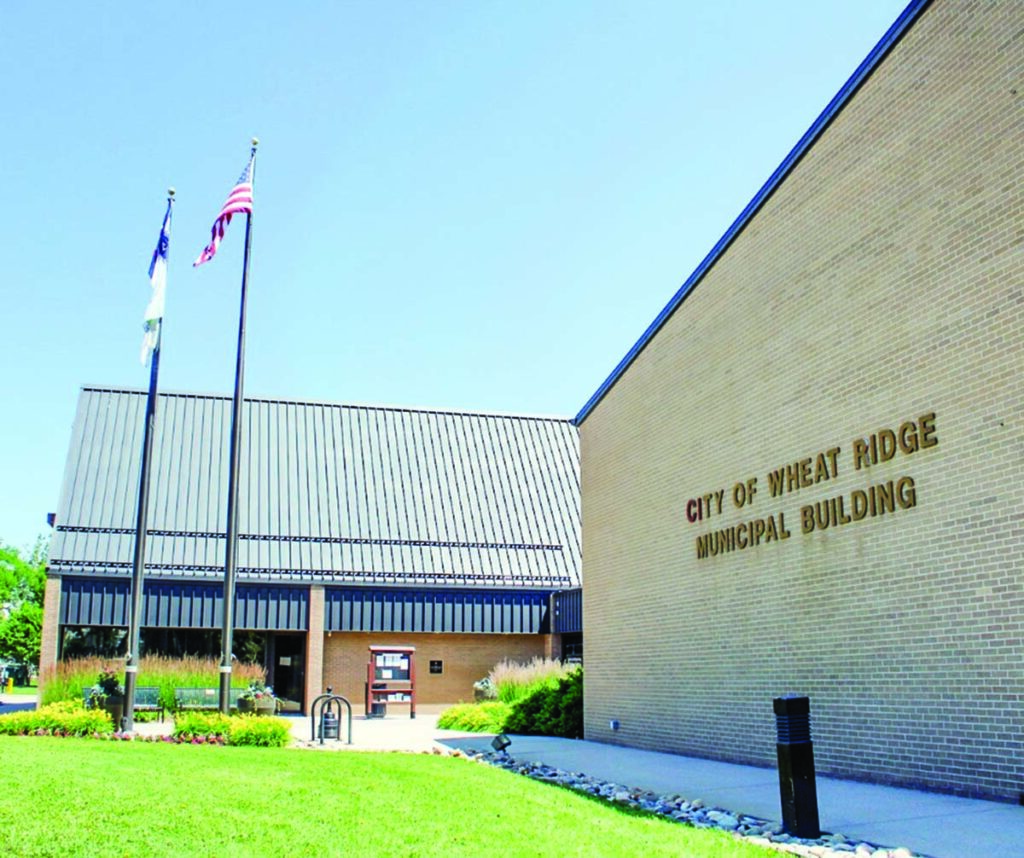
The City of Wheat Ridge is experiencing many of the same issues as homeowners and commercial property owners. While we’ve invested in improving our parks, roads, commercial corridors, and other infrastructure the past ten years–these public benefit projects serve real needs in our community–many of the city’s facilities are also in need of repair and or expansion. The scale and modernization of local government has rendered our 1977 City Hall insufficient in size while managing the repairs and upgrades typical of a 50 year old building. We have IT staff working out of converted closets, we’ve had to lease a second building so entire departments aren’t under the same roof, and each year we are expending money on band aid repairs on a too-small building. If we want Wheat Ridge to continue recruiting and retaining quality staff who in turn strive to provide quality service to our community, it’s time to modernize City Hall. Council, the Mayor, and staff will be engaging the community over the next year to explore options to find a solution that ensures strategic investments that are more sustainable than crisis-driven repairs and higher costs of underinvestment in our aging facilities.