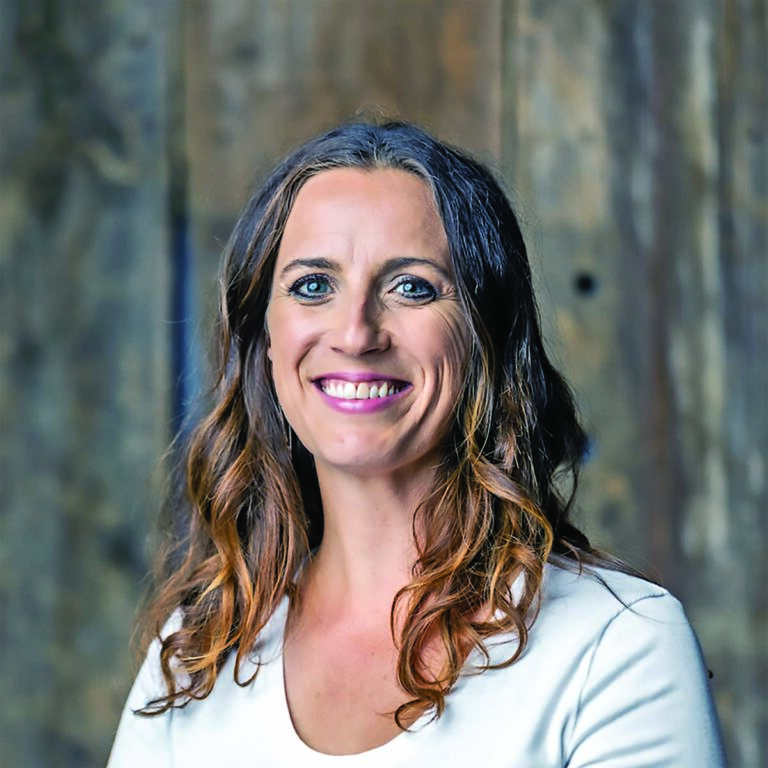


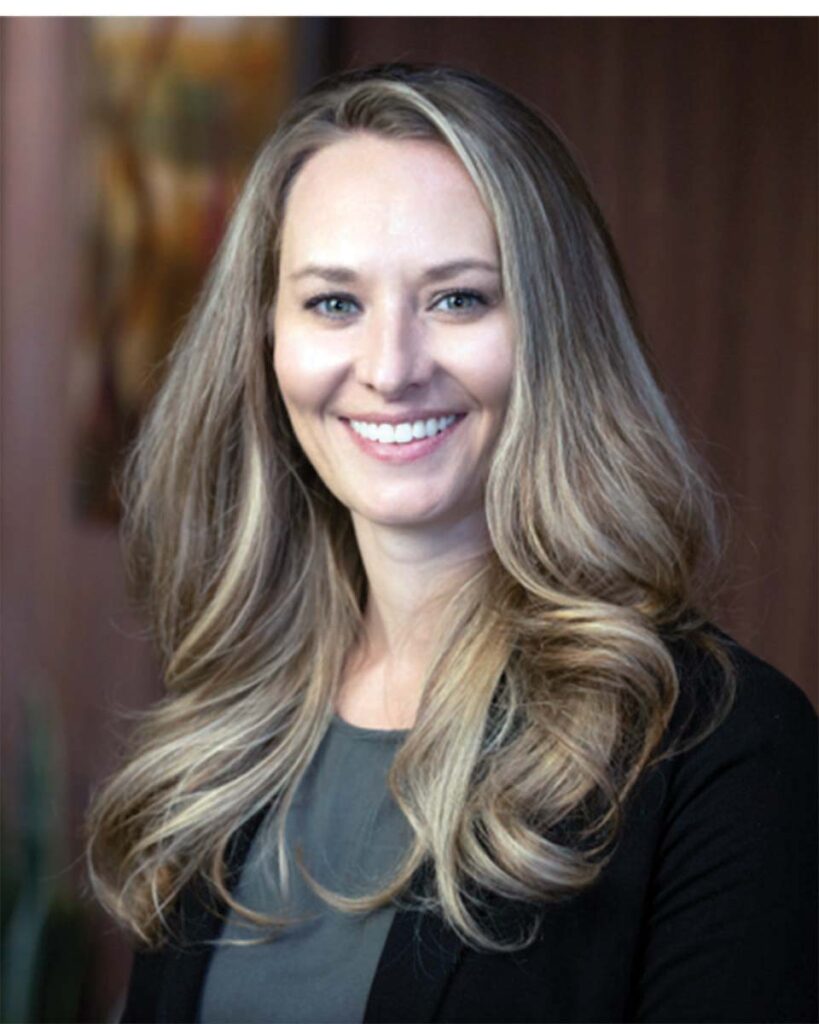
As the lung screening navigator at Intermountain Health Lutheran Hospital, I have the privilege of guiding patients through one of the most critical journeys in healthcare—early detection of lung cancer. My role is dedicated to helping people at risk for lung cancer access timely, effective screening and, if needed, navigate the complex steps that follow.
The U.S. Preventive Screening Task Force recommends lung cancer screening for people aged 50 to 80; have a smoking history of 20 pack years or more; are currently smoking or have quit within the last 15 years; and have no signs or symptoms of lung cancer.
Every lung screening scan performed at Lutheran crosses my dashboard. I review each result, and when a finding needs follow-up, I coordinate the next steps with patients and their providers, whether that’s scheduling a repeat CT, arranging specialty consultations, or helping patients understand their results. My work bridges the gap between patients, primary care providers, and specialists like pulmonologists, thoracic surgeons, and oncologists. The goal is always the same: ensure no one falls through the cracks, and that care moves swiftly, especially when a diagnosis is urgent.
Education is a huge part of my job. Many people still don’t know about lung cancer screenings, or they feel stigma around the disease, especially if they have a history of smoking. I spend time answering questions, dispelling myths, and reassuring patients that everyone deserves compassionate care. I’m often the first person to call them after a screening, and I’ve learned that listening—really listening—is the most powerful tool I have. Some patients are anxious or scared; others feel resigned, but all benefit from clear information and a caring voice.
Our program has grown rapidly, now managing over 1,400 patients. We’ve seen a remarkable shift: More cancers are caught at stage one or two, when treatment is most effective. The American Lung Association’s State of Lung Cancer report for 2025 shared that in Colorado 31.7% of lung cancer cases are caught at an early state, which is higher than the national rate of 28.1%. Unfortunately, our state screened only 11.2% of people who were at high risk, and that is lower than the national rate of 18.2%.
For those diagnosed with cancer, I provide a soft handoff to our oncology navigator, ensuring continuity and support throughout their journey.
Barriers to care—like transportation, insurance, or financial concerns—are real. I work with our team and insurance providers to help patients overcome these hurdles. At times, I have been called a lifeboat: someone to trust, someone to call when the path ahead feels overwhelming.
I wish more people knew how powerful screening can be. If you think you meet the criteria for screening, ask your medical provider for more information. For those who are enrolled in a lung cancer screening program, remember to continue to be vigilant and get screened yearly. Early detection saves lives, and everyone deserves that chance.
Amy Rodriguez, RN, is a nurse navigator supporting the lung screening program at Intermountain Health Lutheran Hospital. Intermountain Health offers lung screening navigation at each of its hospitals across the Front Range.