

When someone hears the word hospice, it can feel frightening. Many people think it means giving up. But in my experience as a hospice nurse, hospice is not about giving up on a person. It is about focusing on comfort, dignity, and quality of life when a serious illness can no longer be cured or when a patient chooses not to continue treatment.
I first became interested in hospice care when a dear friend was diagnosed with pancreatic cancer. I watched her live through a three-year journey with strength, honesty and grace, and I saw how important it was for her to have care that honored her wishes. That experience changed me. Hospice work has become the most rewarding work I have undertaken.
In simple terms, hospice is a special kind of medical care for people who are nearing the end of life. The goal is not to cure the illness. The goal is to help the person feel as comfortable as possible, manage pain and symptoms, and support the family along the way. Hospice care can include nurses, physicians, social workers, chaplains, aides and other team members who work together to meet the patient’s physical, emotional and spiritual needs.
Hospice can take place wherever the patient is most comfortable and where their needs can be safely met. For some people, that is at home. For others, it may be in a hospital or at an inpatient hospice facility such as Intermountain Health Hospice – Denver, formerly Collier Hospice. Wherever hospice care happens, the purpose is the same: to provide support, respect, and dignity.
One of the most important things I want families to know is that hospice is not only for the patient. It is also for the people who love them. Families often carry a heavy emotional and practical load. Hospice teams help answer questions, guide difficult conversations, provide education about what to expect, and offer bereavement support after a loved one has died.
At Intermountain Health Lutheran Hospital, having a dedicated hospice nurse helps ensure patients are connected with the care and benefits they need when they are ready to make that transition. These conversations are never easy, but they can be deeply meaningful. When patients and families understand their options, they can make choices that reflect their values, their goals, and the way they want to spend their time.
For me, the heart of hospice care is kindness. It is sitting with someone, listening closely, treating them with respect, and helping them be as comfortable as possible. It is also reminding families that they are not alone.
The best advice I can offer is simple: Be kind to others, and you will receive more kindness in return. In hospice care, kindness is not a small thing. It is often the thing people remember most.
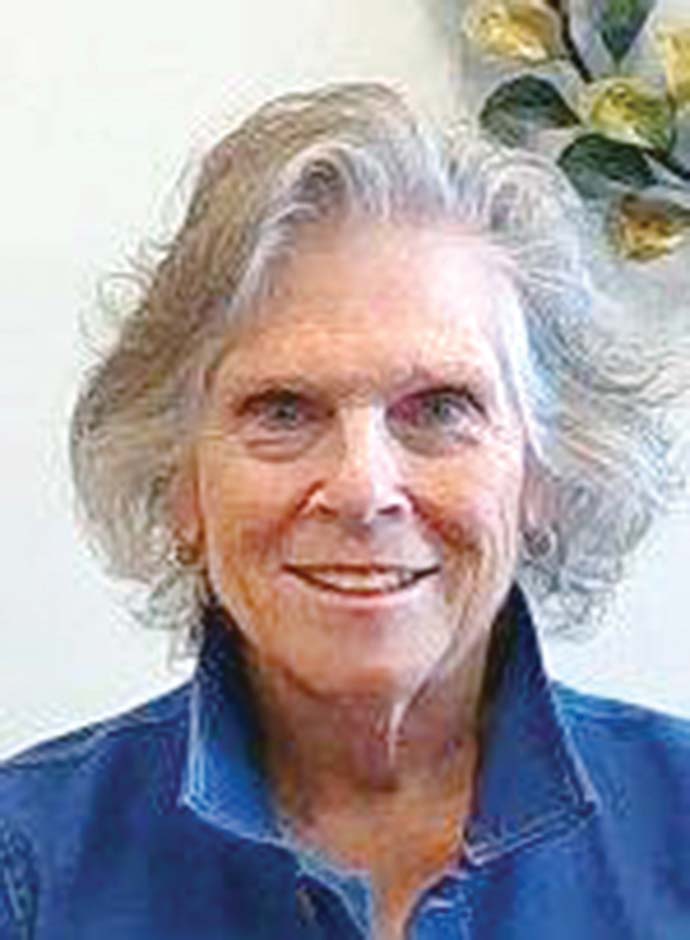
Nanette Doyle, RN, MSM, is a dedicated hospice nurse at Intermountain Health Lutheran Hospital. Through her work at in hospice and now helps patients and families transition to hospice care with comfort, dignity and support.