

Colorado enters the summer of 2026 facing increasingly urgent drought conditions, driveBy historically low snow pack levels and rising temperatures. According to Denver Water’s March 16, 2026, update, snow pack in its critical collection basins is “at or near record lows,” with the Colorado River Basin at just 71% of normal and the South Platte River Basin at 54% of normal. These figures mark some of the worst readings in decades of record keeping and leave the region “3 to 4 feet of snow short” of what is typical for this time of year. Reservoir storage is also lagging slightly below average at 80% capacity.
These dry conditions intensify the likelihood of additional drought response measures this summer. Denver Water notes that its response to drought uses a “layered approach,” which may include enhanced watering restrictions to ensure supplies last for essential needs. Historically, drought watches or mandatory restrictions have been implemented during similarly dry years, and 2026 is tracking toward another season of carefully managed outdoor water use. Regardless of drought status, summer watering rules remain in effect annually from May 1 through October 1.
Watering Rules and Outdoor Use Practices
Denver Water’s summer watering rules are designed to promote efficient outdoor water use, especially critical during drought years. Key guidelines include:
• Water only during cooler hours: Outdoor irrigation is not permitted from 10 a.m. to 6 p.m., reducing evaporation and water waste.
• Water no more than three days per week: Most landscapes need just two days, with a third only during extreme heat. Watering more than three days is prohibited.
• Avoid runoff: Sprinklers should not allow water to pool in streets, alleys, or sidewalks.
• Keep systems in good repair: Leaks must be fixed within 10 days.
• Do not irrigate during rain or high winds.
• Use hose nozzles with shutoff valves when washing vehicles.
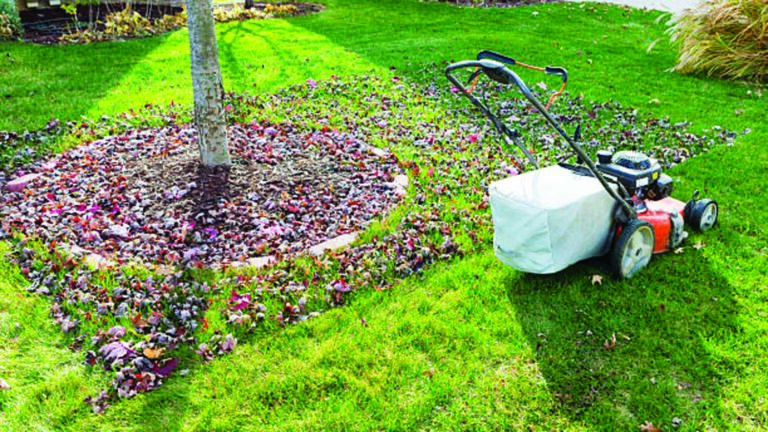
• Mow grass appropriately: Longer grass helps retain moisture—keep cool season grasses at 2.5–3.5 inches and warm season at 1–3 inches.
These rules help ensure that even during drought, residents can maintain landscapes responsibly while preserving the region’s limited water resources.
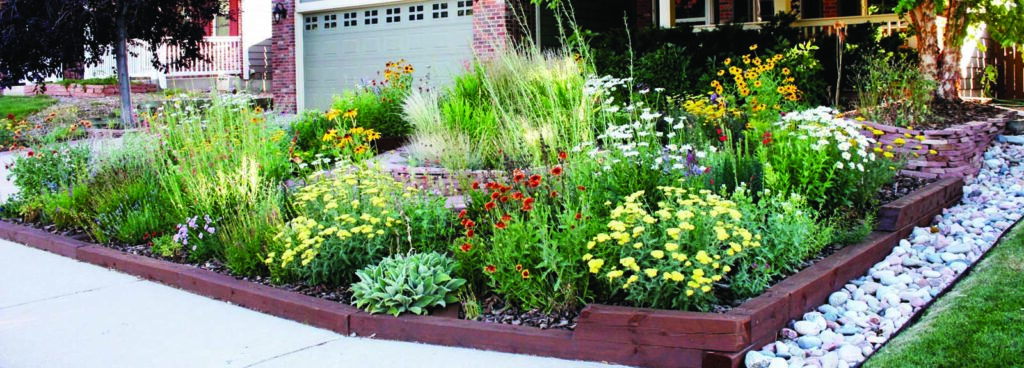
Beyond daily water use habits, Denver Water encourages longterm landscape changes that reduce water demand. Water wise, or “Coloradoscape,” landscaping prioritizes native and adapted plants, soil improvement, and efficient irrigation.
The DIY Landscape Transformation Guide, created in partnership with state conservation organizations, walks residents through turf removal, plant selection, and landscape design to help build yards that use less water, support pollinators, and thrive in Colorado’s climate. The guide emphasizes that even small changes can “make a world of difference” in conservation.
Residents can also participate in free water wise workshops, including sessions on native grass conversions and ColoradoScaping best practices. These workshops offer hands-on guidance from horticulture and conservation experts, empowering homeowners to create beautiful, drought tolerant landscapes.
With snow pack dangerously low and water supplies stretched thin, 2026 demands renewed commitment to smart water use. By following Denver Water’s seasonal rules, reducing outdoor irrigation, and adopting water wise landscaping, Coloradans can play a vital role in protecting the state’s water future, one yard, one sprinkler zone, and one mindful action at a time.