


I often get asked how I got started in a career in nutrition. The answer is simple: I believe deeply in the power of prevention—and the power of choice.
The follow-up questions are usually more personal. How do I lose these last 10 pounds? Do I have to eat kale? (I really don’t like kale.) How do I avoid diabetes—it runs in my family. Is fat bad? Is sugar bad? Can I eat eggs or not?
I’ve seen firsthand—in my family, my friends, my clients and my community—how powerful food can be. I’ve watched people reduce medications for chronic conditions, regain energy they thought was gone for good and feel at home in their bodies again instead of tired, achy and foggy.
Nutrition is personal. What works best can vary based on age, life stage, culture, preferences, budget and access to food. Meanwhile, grocery stores are packed with powders, bars, drinks and supplements promising better health and better bodies. Many are highly processed and backed by creative marketing more than solid science. With so much conflicting nutrition advice out there, what’s a person to do?
One answer is hiding in plain sight: fiber.
Fiber is one of the most overlooked nutrients in the American diet. Most adults should aim for about 25 to 38 grams per day, depending on age and sex, but in reality, we only get about 15 to 16 grams. More than 90% of women and 97% of men don’t meet the minimum recommendation. For perspective, anthropologists estimate that our Paleolithic ancestors ate more than 100 grams of fiber each day.
Low fiber intake is strongly linked to heart disease, Type 2 diabetes, digestive disorders and certain cancers. Getting enough fiber doesn’t just add years to your life—it adds life to your years. It even acts as a buffer for those less-than-perfect meals we all enjoy from time to time. Progress, not perfection.
How do you eat more fiber? Start simply. At my house, filled with picky eaters, I add a handful of berries to breakfast, blend spinach into fruit smoothies and stir canned lentils into tacos, meatloaf and sloppy joes. Making vegetables the star of the meal instead of an afterthought increases fiber intake without anyone feeling deprived.
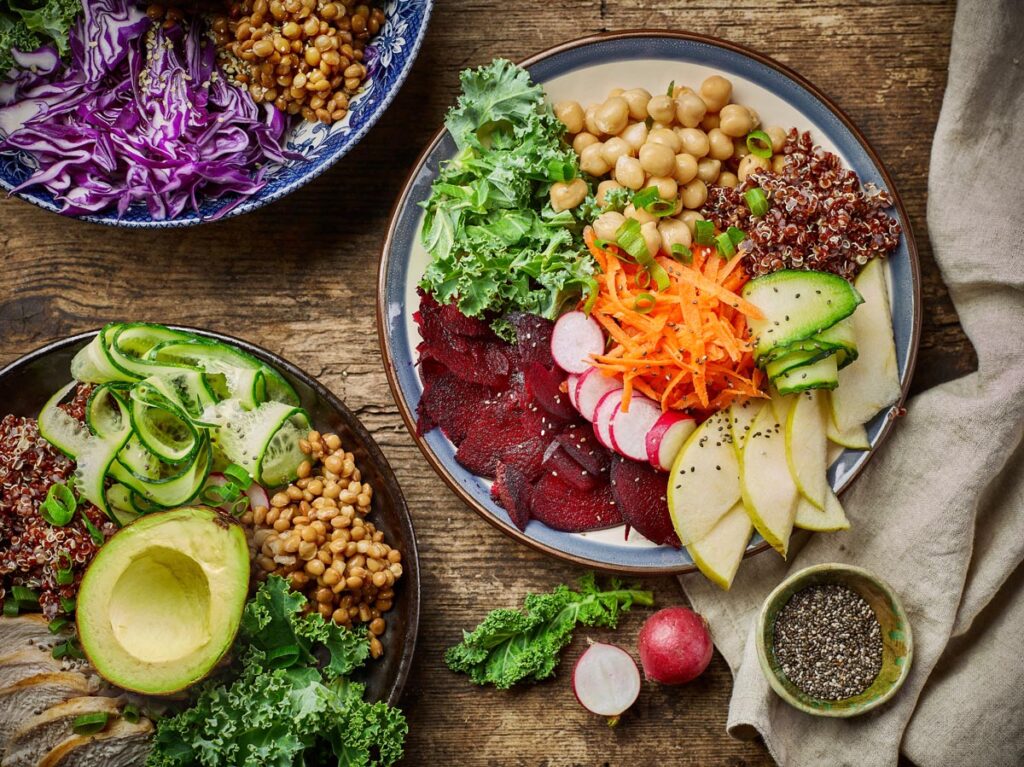
Here’s the refreshing part: this isn’t about eating less. It’s about eating more of the right foods – fruits, vegetables, beans, lentils, nuts, seeds and whole grains like oats, quinoa, brown rice and barley. High-fiber foods are often more filling and naturally lower in calories, helping you feel satisfied without restriction. Fiber also supports gut health, which influences digestion, immunity and even mood. When your gut works better, your whole body tends to follow.
If you decide to increase your fiber intake, go slowly. Doubling it overnight can lead to bloating and gas. Instead, add one or two fiber-rich foods per day. Put beans in chili, swap white rice for brown, add an extra vegetable to dinner or try a new fruit this week. Small, consistent changes matter more than dramatic overhauls.
A healthy diet isn’t about perfection or giving up foods we love. It’s about awareness and steady habits that fit our real life. We don’t have to love kale. We don’t have to chase trends. We just have to start.
Eat mostly whole foods. Focus on plants. It’s not flashy, but when it comes to long-term health, simple and sustainable always wins.