


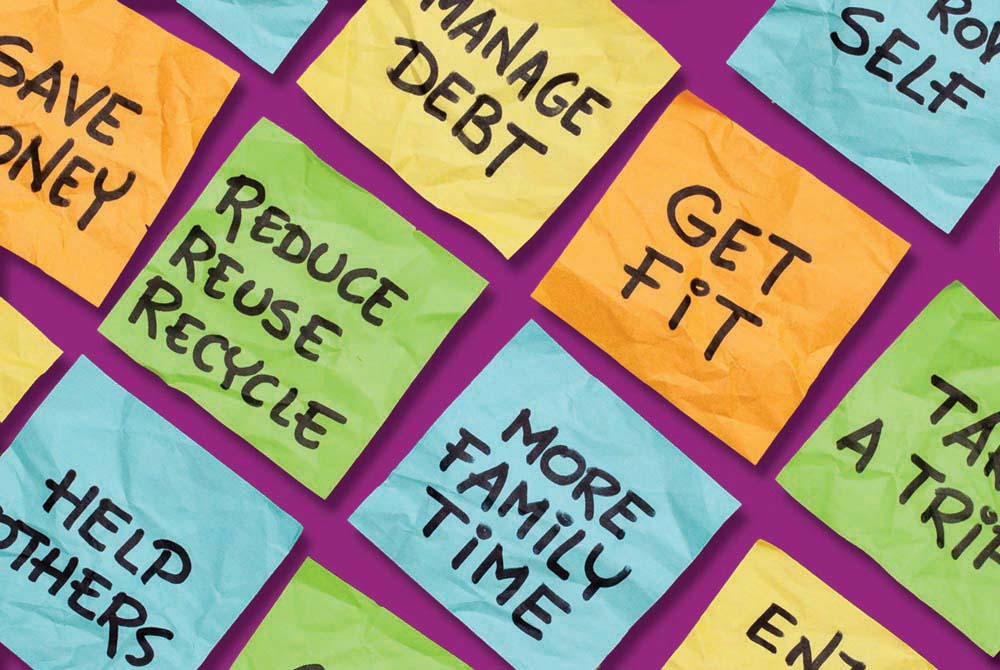
Every year around late December, we suddenly become philosophers, therapists, and personal trainers all at once. We stare at the calendar, swear that this is the year we’ll finally quit sugar, run a marathon, or at least stop doom-scrolling until 1 a.m. And like clockwork, New Year’s resolutions are born—hopeful, naïve, and destined to be abandoned somewhere around January 17th.
But here’s the twist: humans have been doing this dance for thousands of years. It’s practically hard-wired into us.
The Babylonians, over 4,000 years ago, may have kicked off the whole thing. Their year started in March, not January, and instead of vowing to hit the gym, they promised the gods they’d return borrowed farm equipment, pay their debts, and basically stop being a pain to their neighbors. Their 12-day festival, Akitu, was less “new year, new me” and more “new year, don’t anger the gods.” Break your resolution then? It wasn’t a guilty conscience you worried about—it was divine wrath. Suddenly forgetting to meal-prep doesn’t seem so bad.
Fast-forward to ancient Rome. Julius Caesar introduced the Julian calendar, slapped “January 1st” on the front, and dedicated the month to Janus, the two-faced god of transitions. One face looks back, one forward—like the original before-and-after photo. Romans made promises directly to Janus, hoping he’d help them clean up their act. Think less “dry January” and more “I probably shouldn’t stab my political rivals this year.”
Then came early Christianity, and with it a new angle: instead of pleasing gods or maintaining civic duty, resolutions became about moral inventory. You didn’t just promise to do better—you reflected on everything you messed up last year. If that sounds a little like the emotional hangover we all experience on New Year’s morning, it’s because the instinct is the same: reset, reframe, restart.
By the 1800s, New Year’s resolutions became fully secular. Newspapers printed resolutions like “I will not eat too many mince pies” or “I will rise earlier,” proving that self-improvement goals have always been a strange mix of ambition and self-shaming. Today, the resolutions just come with hashtags.
What makes this tradition endure? Probably the same reason gyms stay in business and planners are still sold every December. We love the idea of reinvention. A clean slate. A chance to erase the messy scribbles of last year and try again—whether it’s with fitness, finances, or just remembering birthdays.
So yes, New Year’s resolutions might be unrealistic, overhyped, and statistically doomed. But they’re also timeless. Hope, after all, is the one habit we’ve never managed to break.